
The Rising Importance of Welders and Their Work
The modern architectural landscape relies heavily on the physical structures built seamlessly around us. From expansive skyscrapers to local commercial properties, metal fabrication stands as a foundational pillar of modern construction. The silent contributors who piece these complex frameworks together are professional welders.
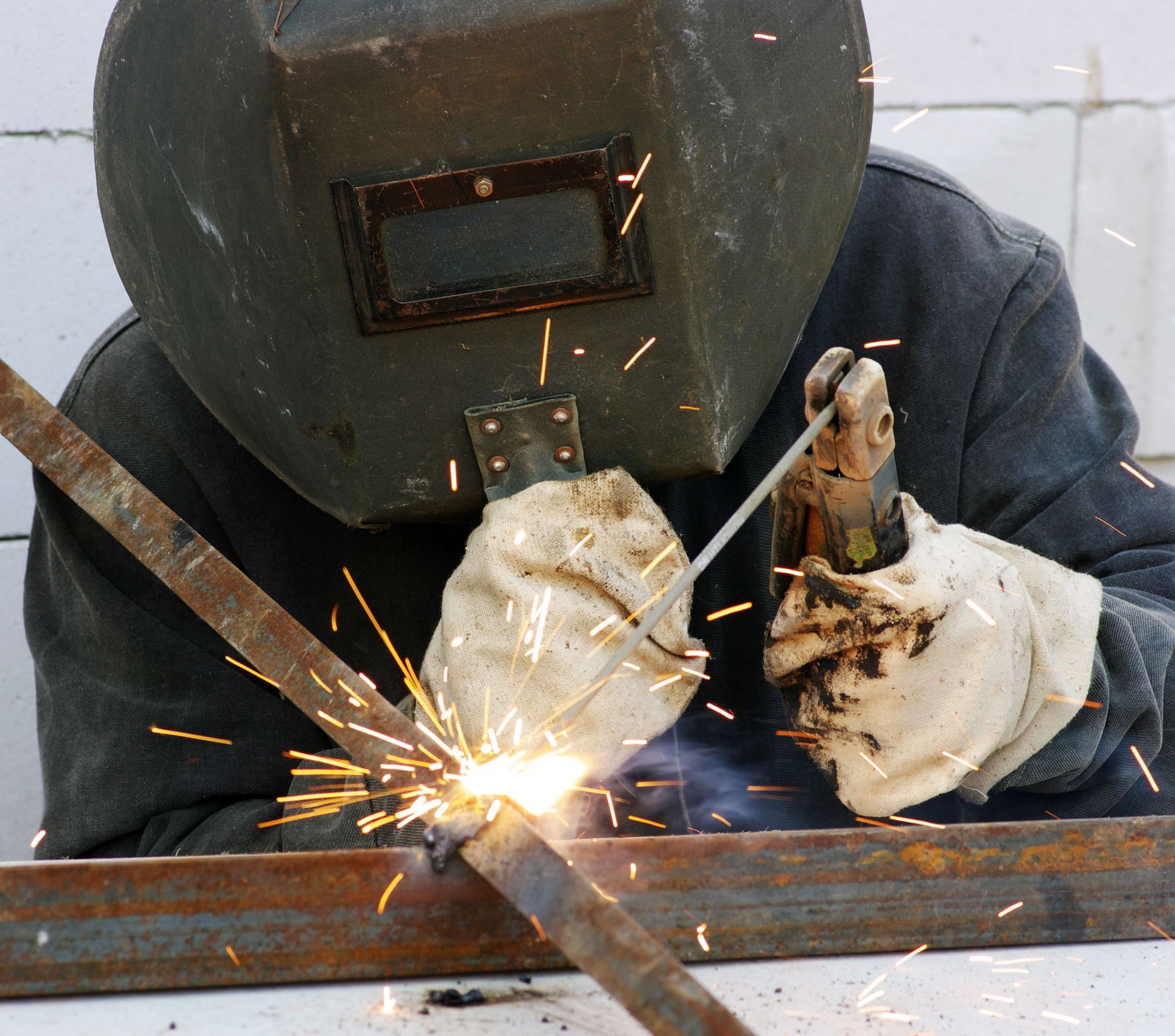
Welders play an essential role in keeping architectural designs both functional and secure. They turn heavy raw materials into highly precise elements that join buildings together. Without their refined skills, modern infrastructure simply could not progress or sustain its daily demands.
Appreciating the Craft of Metal Assembly
Every building contains a hidden network of complex steel supports that are highly customized. These details often do not fit into the standard category of structural steel beams or primary columns. Instead, these customized pieces are known in the industry as misc metal.
This category of fabrication involves an immense amount of precision, planning, and creative problem-solving. Crafting these components requires a high level of technical expertise to ensure a perfect fit during the final installation phase. Welders must execute their work perfectly to keep every piece aligned.
The process begins long before a torch is lit, starting with detailed blueprint reading and metallurgical planning. Technicians must understand the specific load capacities and stress points of each custom piece. Their meticulous calculation ensures the longevity of the entire property.
Furthermore, these artisans must master a wide array of tools beyond the welding machine itself. They regularly utilize plasma cutters, heavy industrial rollers, and precise bending equipment to achieve specific shapes.
Industrial demands require these individuals to maintain a peak physical condition for long shifts. They often operate in confined spaces or at extreme heights while managing dangerous equipment safely.
Understanding the Scope of Specialized Components
To appreciate the scale of this work, one must look at the sheer variety of custom installations. Professional tradespeople must shape, cut, and join pieces that fit unique architectural angles and safety guidelines. They work with a wide range of custom elements daily.
Welders frequently shape and join materials for specific structural areas, including:
- Custom exit stairs and multi-story safety ladders
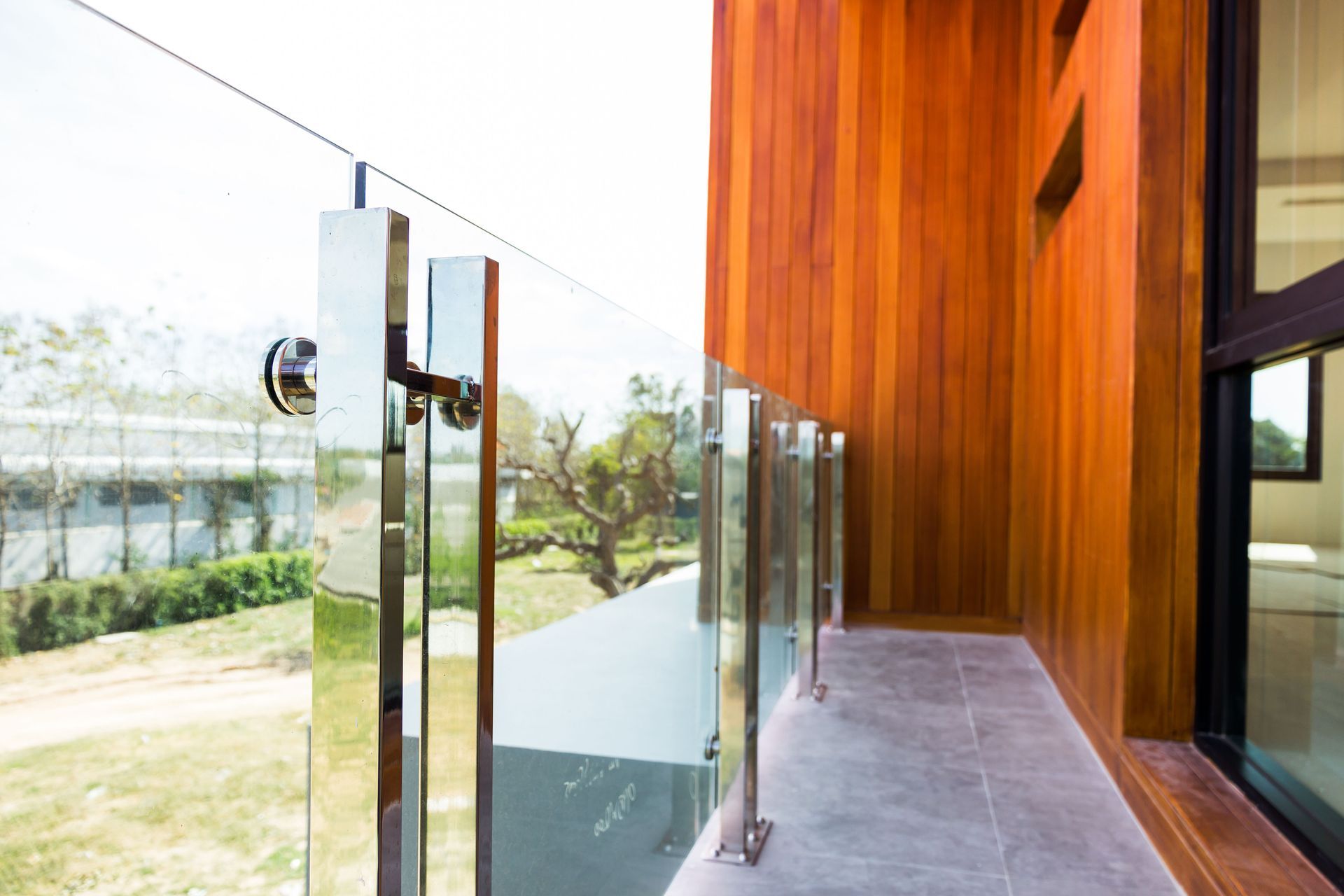
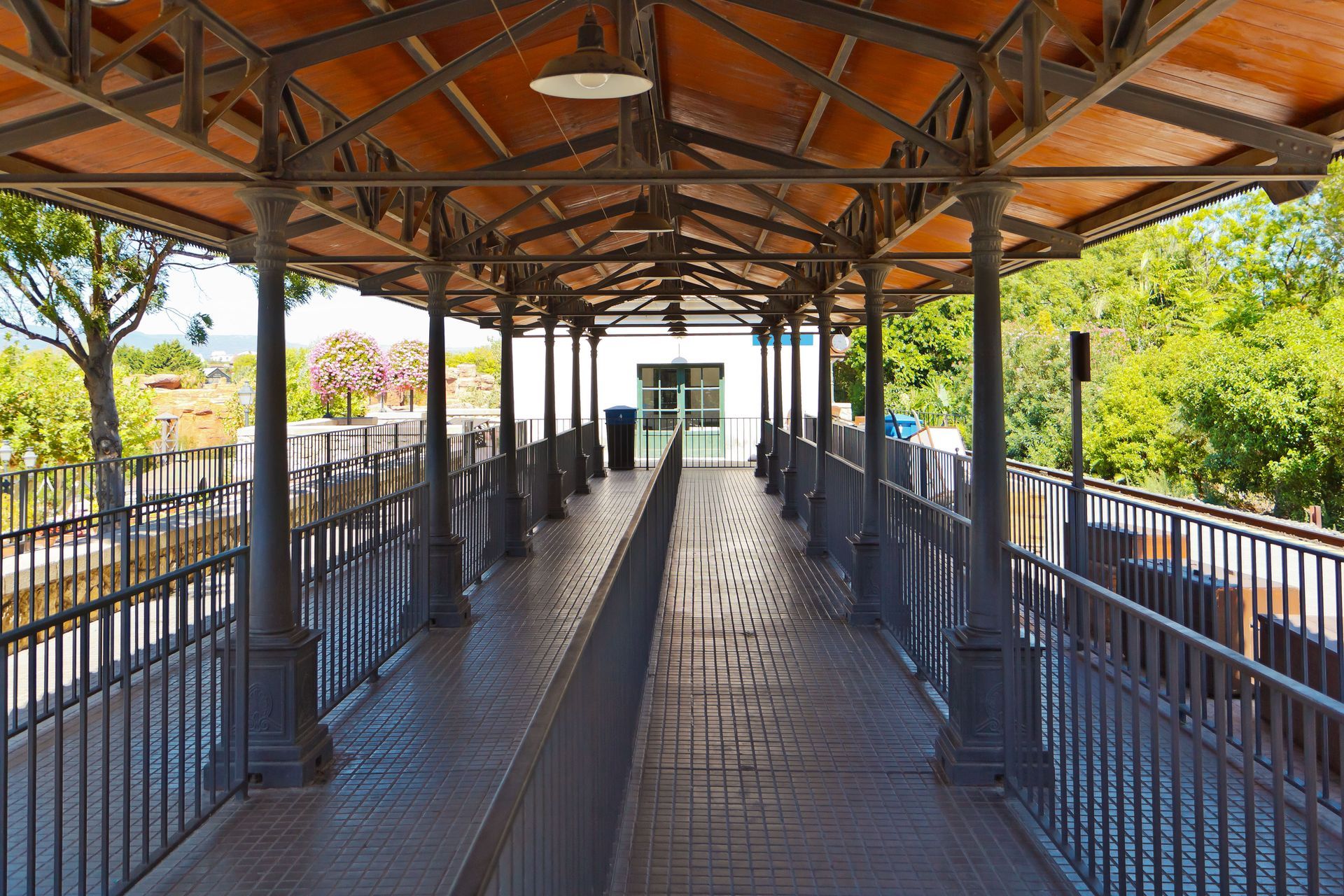
- Handrails and guardrails designed for public buildings
- Heavy steel joists and specialized masonry supports
- Custom floor gratings and overhead catwalk systems
Each of these items requires specialized misc metal fabrication to guarantee building safety. These elements are vital for secure navigation and long-term durability. Without these precise components, a building cannot receive its final occupancy permits.
Beyond sheer utility, these fabrications often contribute significantly to the interior design aesthetic of a space. Architects frequently request exposed steel elements that demand flawless, beautiful weld beads. Therefore, the worker must balance structural integrity with visual perfection.
Every layout configuration must be verified by a master draftsman before cutting begins. A minor mismatch can throw off the alignment of an entire stairwell installation instantly.
Navigating the Labor Shortage in Fabrication
The demand for these custom fabrications continues to rise across the entire construction sector. However, the industry is currently facing a massive shortage of skilled professionals. This growing gap presents both a challenge and a massive opportunity for new tradespeople.
According to the American Welding Society, 82,500 welding jobs will need to be filled annually between 2024 and 2028. This statistic highlights a severe demand for specialized labor in the field. Without a steady stream of incoming professionals, many complex misc metal installations could face major delays.
The retirement of experienced baby boomers is accelerating this talent deficit every single month. As these masters leave the workforce, decades of specialized structural knowledge go with them. Educational institutions are rushing to establish new vocational programs to counter this loss.
Younger generations are starting to recognize the financial stability that these skilled trades offer. Because the labor pool is shrinking, certified professionals can command excellent compensation packages.
Companies are now heavily investing in internal apprenticeship programs to train raw talent immediately. These initiatives allow entry-level workers to earn an impressive living while mastering their technical skills. It provides a reliable pathway into a highly stable and lucrative career.
Integrating Custom Steel With Modern Infrastructure
Successfully merging custom fabrications with primary building designs requires incredible trade coordination. Welders must understand how their specific pieces interact with concrete, masonry, and electrical systems. It is a highly demanding collaborative effort.
Every piece of misc metal must be anchored securely to prevent structural failures. Welders use advanced techniques to make sure these elements can withstand immense daily stress. This high level of durability is non-negotiable for commercial safety.
On the job site, field conditions rarely match the perfect dimensions of a digital architectural drawing. As a result, these professionals must perform rapid field measurements and make on-the-spot adjustments.
They must also possess a deep understanding of thermal dynamics during the installation process. Applying excessive heat to a steel joint can warp the metal and ruin its alignment.
Examining the Safety Regulations of Fabrications
Safety codes dictate every single step of the fabrication and installation process. Welders must remain fully aware of these strict municipal and federal standards while on the job. This knowledge keeps their work structurally sound and legally compliant.
A minor miscalculation during the assembly of a misc metal handrail can lead to severe structural failures. Welders must check every angle and joint to ensure maximum load capacity. Their commitment to safety directly protects the lives of everyday citizens.
Independent inspectors routinely visit construction sites to run non-destructive testing on critical joints. They use advanced methods like ultrasonic waves and magnetic particle testing to find hidden cracks.
Failure to meet these strict safety benchmarks can result in costly tear-outs and legal liabilities. Consequently, fabrication shops invest heavily in continuous quality assurance programs. A welder's reputation is entirely tied to the safety of their work.
Safety gear has also evolved to include advanced respiratory protection systems for workplace comfort. Workers wear specialized helmets that continuously filter out dangerous microscopic fumes during heavy production. Protecting long-term health remains a top priority across the industry.
Selecting the Right Metals for the Job
Different architectural projects require highly specific metal types depending on their environment and usage. Welders must be proficient in handling various materials, each demanding distinct temperature controls and welding techniques. This material versatility is crucial.
Welders work with a diverse selection of structural materials, such as:
- Structural carbon steel for heavy-weight-bearing supports
- Stainless steel for highly corrosive or clean environment
- Lightweight aluminum for decorative or highly complex exterior designs
- Ornamental iron for traditional gates and exterior perimeter fencing
Working with these various alloys ensures that every piece of misc metal performs perfectly over decades of use. It requires deep knowledge of metallurgy and thermal expansion. Choosing the wrong alloy can lead to premature rusting or structural cracking.
Furthermore, environmental sustainability has become a massive focus in modern material selection. Much of the steel used today contains recycled content, which alters its working characteristics slightly.
Advanced protective coatings are often applied to the finished assemblies to prevent natural weather degradation. Powder coating and hot-dip galvanizing provide an impermeable barrier against heavy rain and moisture.
Ultimately, the strength of our modern world rests on the welds holding it together. The dedication of these specialized tradespeople ensures our workplaces, schools, and homes remain standing strong.
Securing the stability and visual appeal of your property requires working with seasoned fabrication professionals who treat the trade as an art form. For those seeking unmatched durability and masterful custom metal designs, contact Cacciola Iron Works!
Share On: