
Crafting Your Perfect Fence With Aluminum
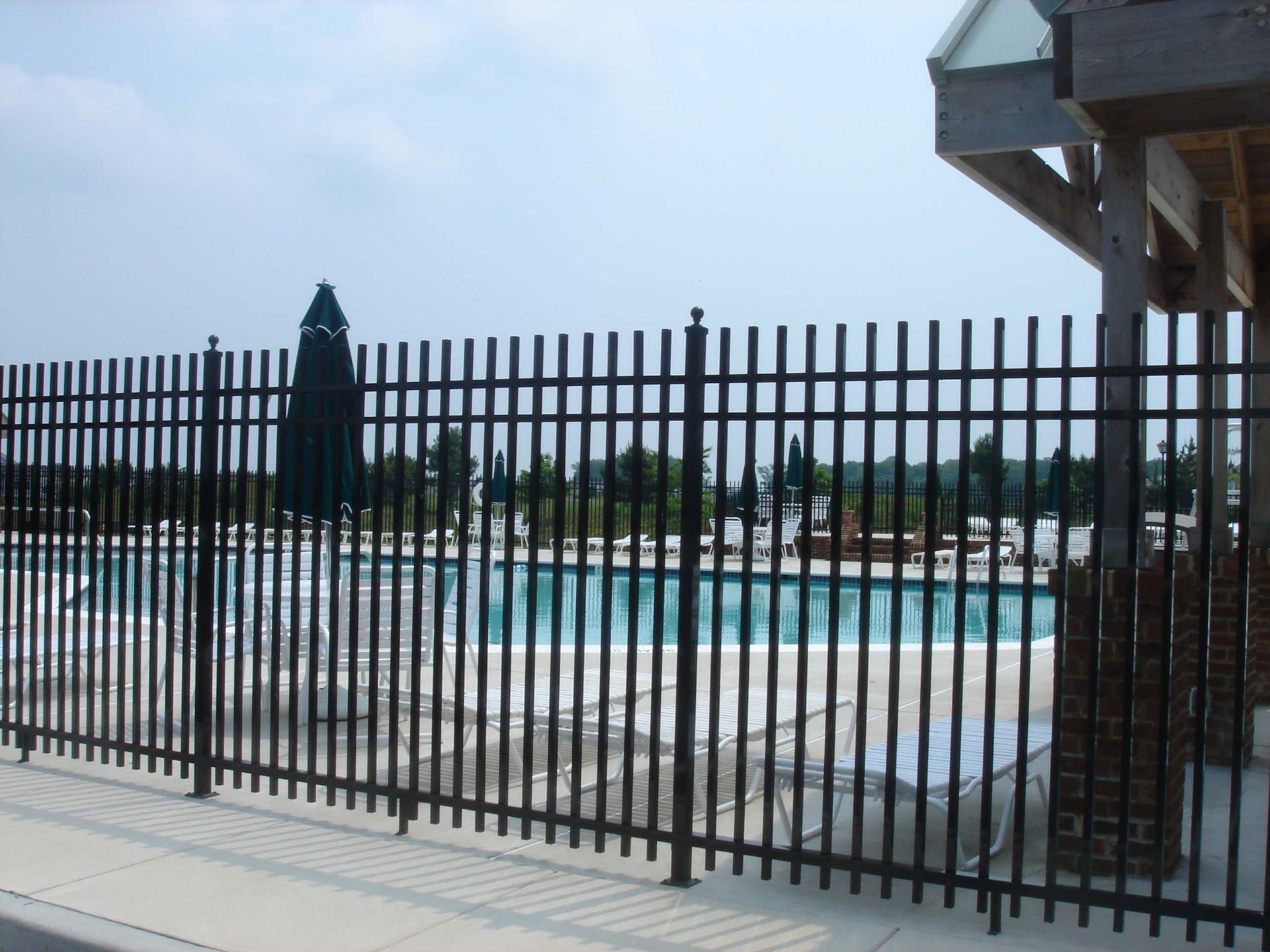
Aluminum fencing is a popular choice for homeowners and businesses alike, offering aesthetic appeal, durability, and low maintenance. This article explores the essential steps and considerations in crafting the right aluminum fence for a property. Key factors include selecting a style, planning layout and measurements, understanding material options, evaluating installation approaches, and maintaining long-term appearance and performance. With its corrosion resistance and wide range of design options, aluminum fencing can be adapted for both residential and commercial environments while supporting a clean, architectural finish, including applications that may coordinate with aluminum railings in broader exterior designs.
Overview of Aluminum Fencing Applications
Aluminum fencing is used across a wide range of property types where a defined boundary or structured visual edge is needed. It can support both functional layouts and more design-oriented goals depending on how it is integrated into a space. In many cases, it becomes part of the broader exterior composition, working alongside architectural elements already present on the property, including coordinated use with aluminum railings in certain settings.
The material itself lends flexibility in how it can be shaped and applied, allowing it to fit into both simple and more detailed site conditions without overwhelming the surrounding environment.
Key Considerations for Project Planning
Before moving into design decisions, it is often helpful to think about how the fence will interact with daily use of the space. Movement through entry points, visual flow along boundaries, and transitions between areas can all influence how the final layout comes together. These considerations help guide both form and function in early planning stages.
Taking time to consider these factors early helps create a smoother overall process as the project moves from concept into fabrication and installation stages.
Versatile Selection of Aluminum Fence Styles
Exploring Visual Design Directions
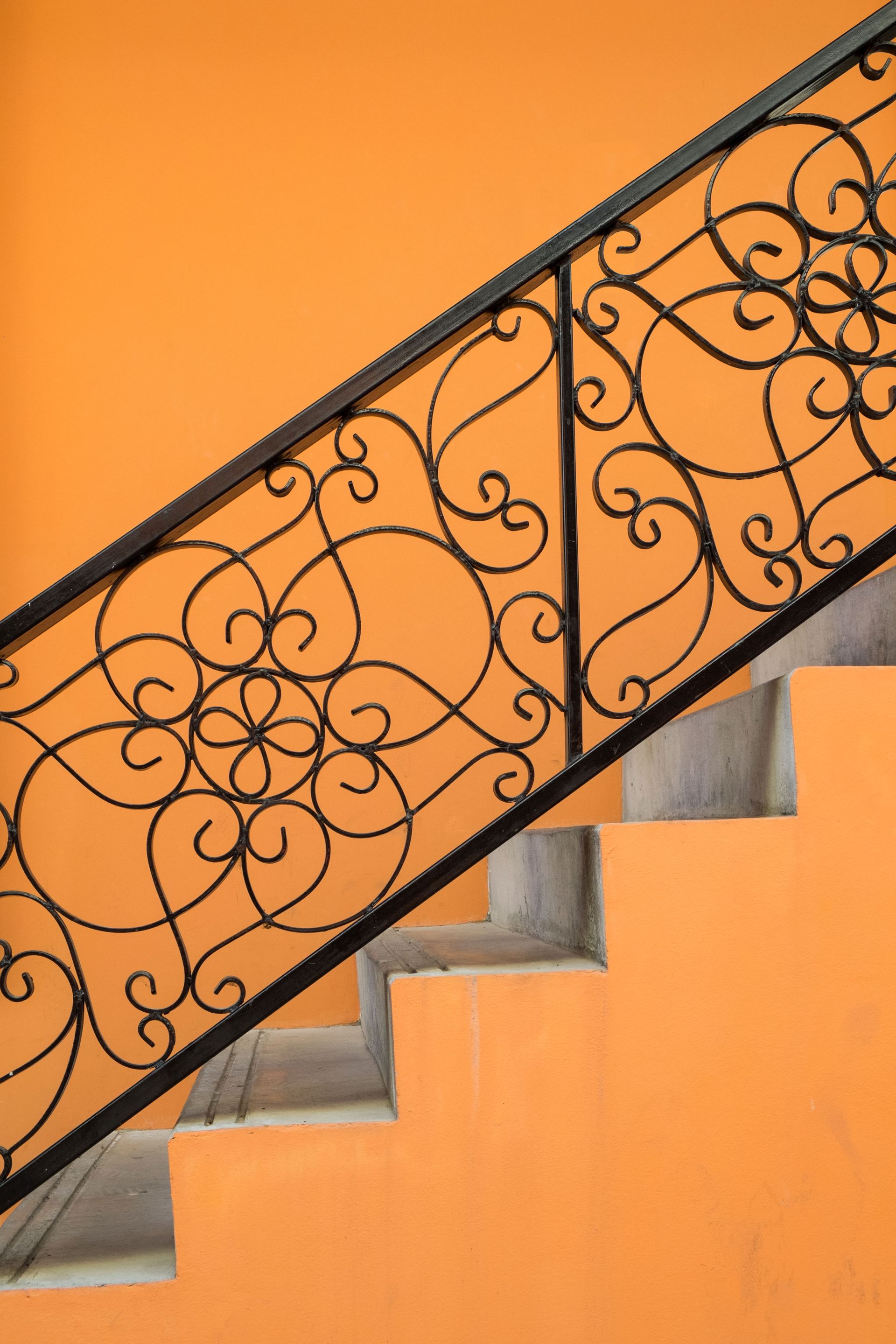
Different fence styles can subtly shift the overall feel of a property. Some designs emphasize decorative detail, while others lean toward simplicity and straight lines. These choices often depend on how visible the fence will be and what role it plays within the exterior layout.
Considering Property Context and Use
The surrounding environment often plays a role in shaping which style fits best. Architectural style, landscaping, and general property layout can all contribute to the direction of the final design. These factors help determine how the fence integrates into the overall setting.
For residential and commercial applications, aluminum fencing can be tailored to meet different priorities. Residential installations often emphasize curb appeal and property definition, while commercial applications tend to focus on durability and clear boundary structure. Aluminum railings can also be coordinated within these environments when consistent metal detailing is desired.
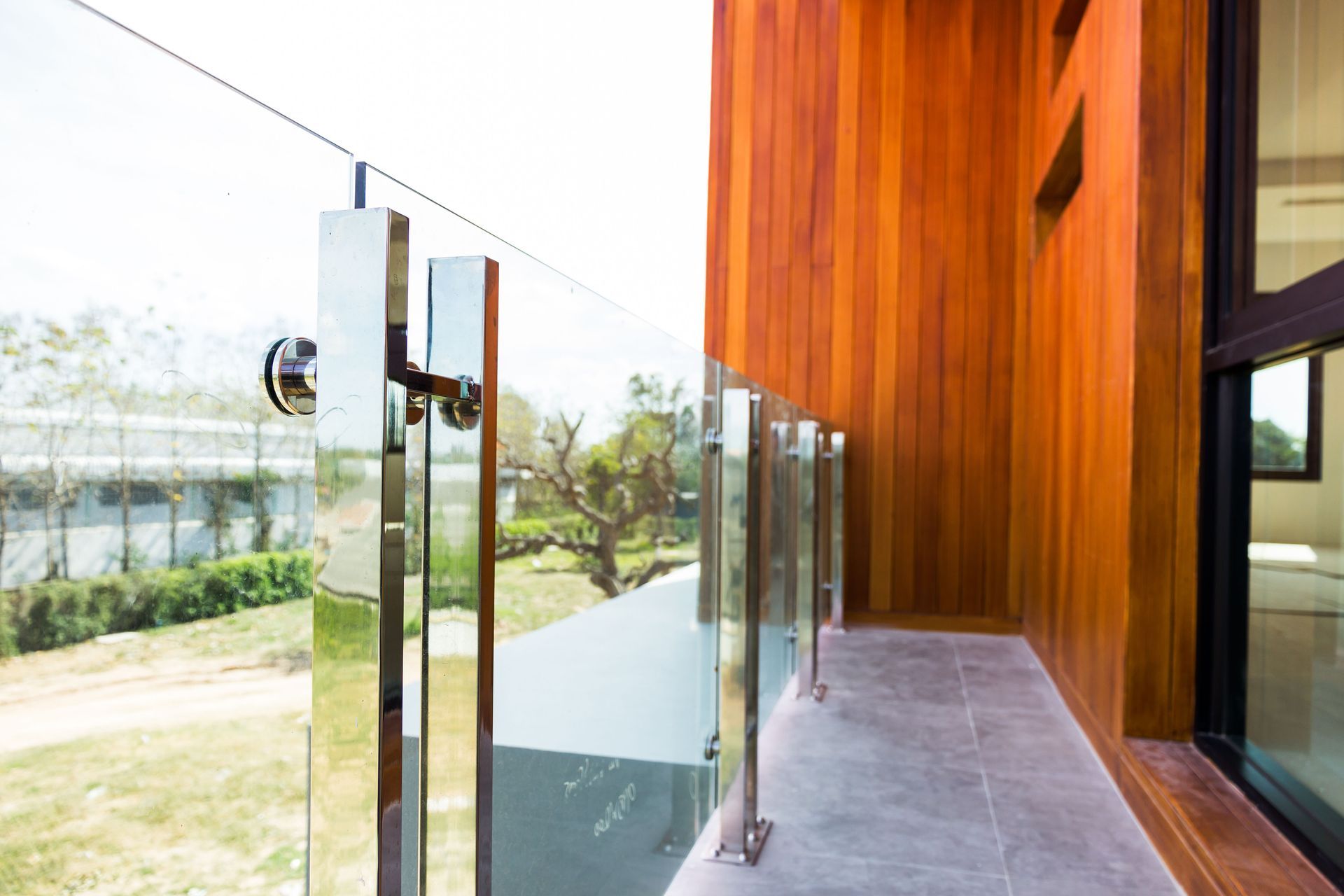
Custom fabrication allows aluminum fencing to coordinate with other architectural metal elements such as railings, gates, and exterior structural features. Finishes like powder coating can also be used to align the fence with surrounding design details. This can include matching or complementing aluminum railings for a cohesive exterior presentation.
Structured Planning of Space Measurement
Working With Layout and Boundaries
Mapping out the intended fence line helps establish a clear visual and physical structure for the project. Even subtle shifts in alignment can influence how the fence integrates with the property as a whole. This stage often defines the foundation for the entire installation.
Careful attention to layout allows the design to follow natural property lines and existing features in a more intentional way. This approach helps ensure that connected elements remain visually aligned when used in adjacent areas.
Accurate planning and measurement are essential before beginning an aluminum fencing project. Understanding property boundaries, terrain conditions, and layout requirements helps support a smooth fabrication and installation process. This stage may also account for where adjacent metal elements could align with adjacent structures.
According to HomeGuide, concrete posts from 2 to 3 feet deep are necessary for sturdy aluminum fences. Precise measurements allow for accurate material estimation, including fence panels, posts, and gate placements. This step also helps define entry points and transitions within the overall layout. In more complex designs, coordination with adjacent metal elements may influence spacing decisions.
Balanced Evaluation of Material and Quality
Understanding Surface Finishes
Surface finishes contribute to how the fence interacts visually with its environment. Subtle variations in texture and tone can influence the overall impression of the installation. These finishes help define the visual identity of the structure.
Considering Environmental Conditions
Different environments may influence how materials are selected and applied. Exposure to weather, seasonal shifts, and general outdoor conditions can all play a role in long-term appearance. These conditions are considered during planning and selection.
These factors are typically considered during the material selection process to align with expected site conditions. This helps ensure consistency across related features such as adjacent metal elements when used within the same environment.
Aluminum fencing materials are available in different grades that influence strength, flexibility, and environmental performance. Selecting the appropriate material depends on the specific requirements of the project and surrounding conditions. In some applications, adjacent metal railings may be specified using similar material considerations for consistency.
Practical Evaluation of Installation Options
Approaching Installation Decisions
The decision between different installation approaches often depends on project scope and available resources. Larger or more detailed layouts tend to require more coordination during installation. These decisions are typically made early in the planning process.
Smaller projects may allow for more flexibility, but still benefit from careful planning and preparation before any physical work begins. This helps maintain alignment across all installed elements, including adjacent metal elements where applicable.
Ongoing Maintenance of Aluminum Fences
Establishing Routine Care Habits
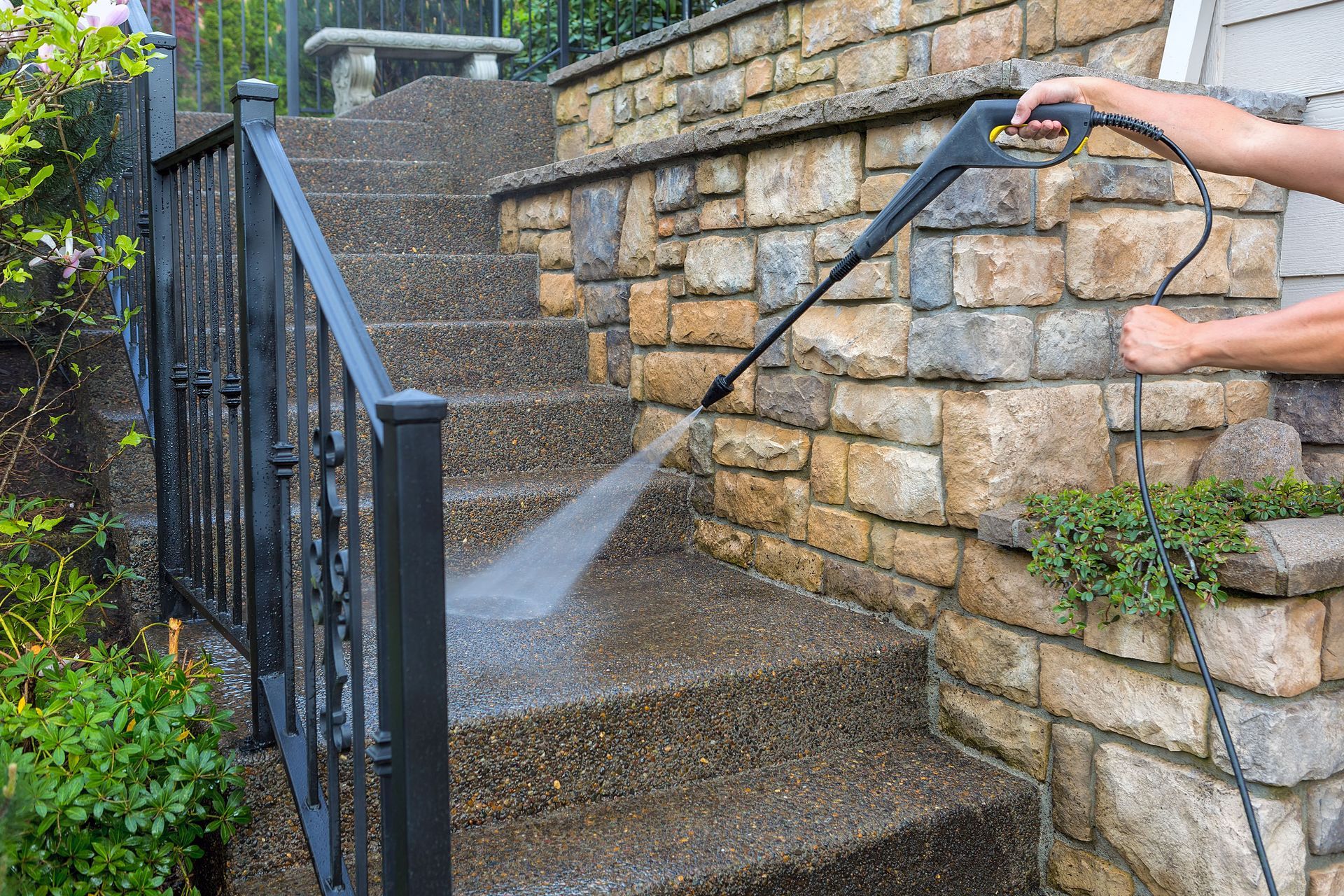
Simple maintenance routines can help maintain a consistent appearance over time. These routines often focus on light cleaning and visual checks rather than intensive upkeep. This helps preserve surface quality.
Over time, these small actions contribute to a more consistent overall condition. This applies to both fencing and nearby elements, such as adjacent metal elements, when used together in exterior spaces.
Aluminum fencing is designed for low maintenance, but routine care helps preserve its appearance and condition. Regular cleaning with mild soap and water removes dirt and surface buildup. In some exterior environments, adjacent metal elements may follow similar maintenance practices.
Periodic inspections help identify loose components or minor wear before they become larger issues. Addressing small adjustments early supports long-term performance. This helps maintain structural and visual stability over time.
Refined Enhancement of Security and Privacy Features
Shaping Access and Entry Points
Entry points often serve as focal areas within a fencing layout. Their placement and structure can influence how people move through and interact with a space. These areas are important to overall function.
Careful positioning helps maintain a clear sense of organization across the overall design. This supports smoother interaction between fencing and related elements such as adjacent metal elements.
Aluminum fencing can be designed to support controlled access and boundary definition while maintaining a cohesive architectural appearance. In some layouts, adjacent metal elements may also be used in nearby areas to maintain visual consistency.
Security and access control are typically achieved through the structural design of gates and fencing systems, including reinforced framing and durable entry points. These elements help define functional movement through the space.
Fencing can also be combined with surrounding architectural or landscape features to create a more cohesive and visually balanced environment.
With a focus on custom fabrication and architectural metalwork, Cacciola Iron Works provides aluminum fencing solutions that bring together practical function, lasting performance, and thoughtful design for both residential and commercial settings. To learn more about available options and capabilities, explore how Cacciola Iron Works and its team can support your next project.
Share On: