
How Custom Hand-Forged Railings Add Character to Interior and Exterior Spaces
Architectural metalwork has long served as a defining characteristic of fine properties, bridging the gap between functional safety and elevated artistic expression. When property owners choose to install bespoke metal elements, they transform everyday structural necessities into compelling focal points that enhance the entire premises. Selecting custom architectural elements allows for complete alignment with specific design styles, ensuring that every curve and joint contributes seamlessly to the overarching visual narrative of the building.
Beyond their immediate visual appeal, custom architectural components offer remarkable structural performance that mass-produced options simply cannot match. High-caliber metalwork provides unmatched longevity, remaining sturdy and reliable through decades of daily use and changing environmental conditions. Investing in tailor-made metallurgical features establishes a foundation of safety and permanent artistic value that enriches both interior living spaces and surrounding exterior grounds. The deliberate integration of custom metal barriers also enhances the physical security of elevated walkways and outdoor living areas.
Enhancing Architectural Character Through Fine Craftsmanship
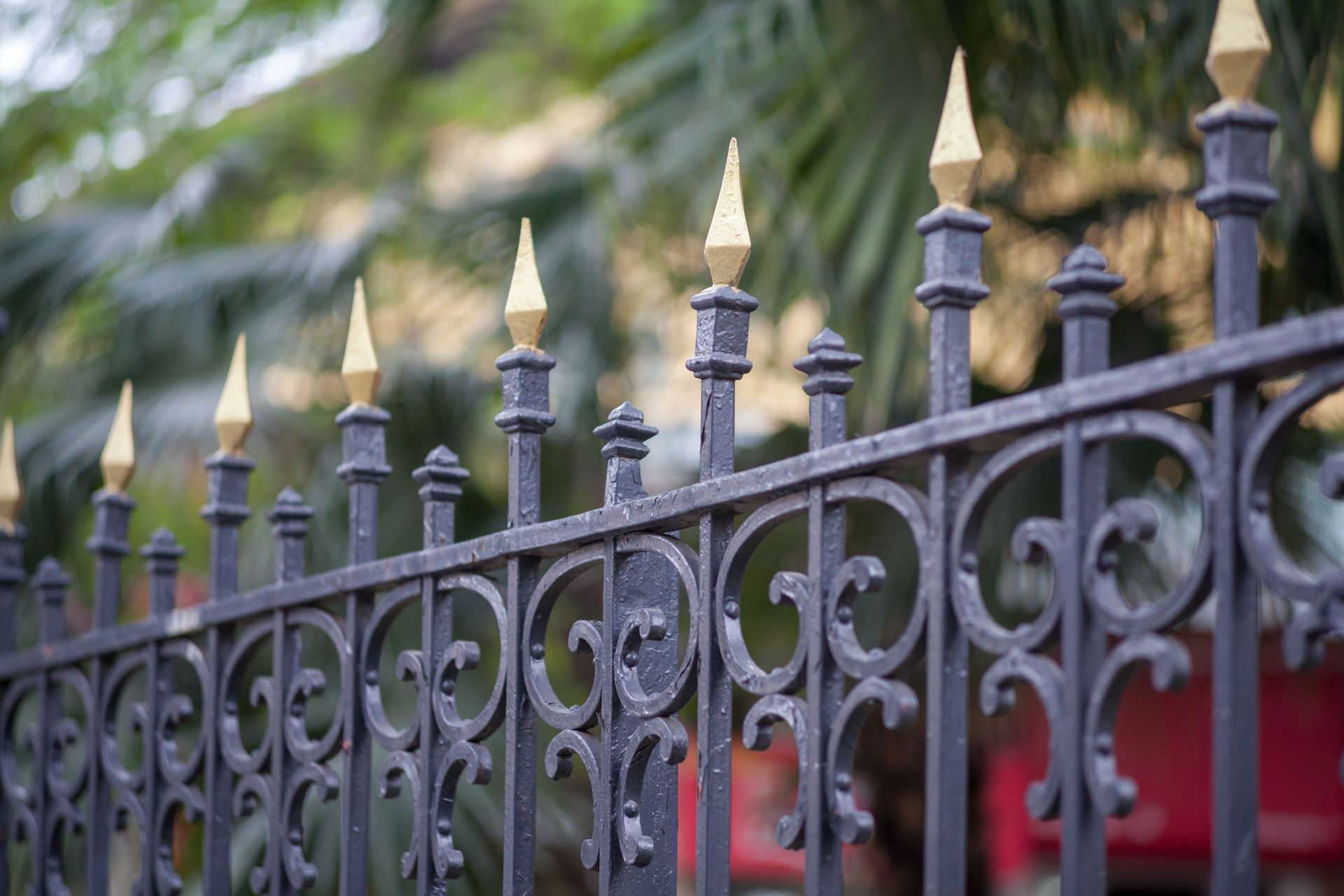
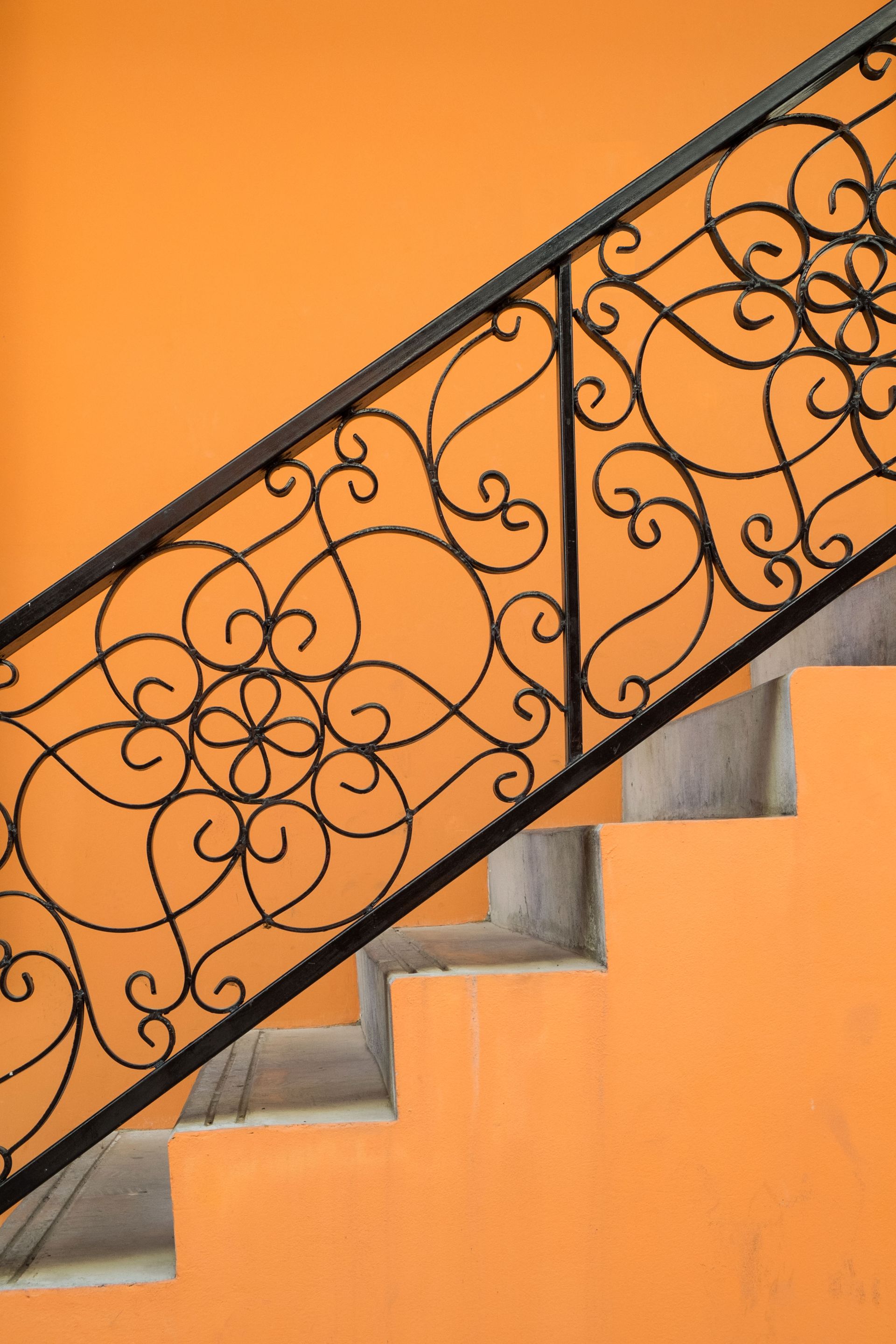
Handcrafted metalwork carries a legacy of traditional technique that imparts unique personality to every individual installation. Master blacksmiths employ time-honored methods to shape raw metal into elaborate scrollwork, delicate filigree, or clean modern lines tailored precisely to the space. Incorporating a hand-forged iron railing into an entry hall or outdoor staircase creates an immediate sense of grandeur and craftsmanship that factory-stamped alternatives can never match. This ancient trade relies on intense heat, mechanical force, and exceptional artistic vision to transform rigid metal stock into fluid forms. Each curve and leaf motif reflects the deliberate hand of the blacksmith, imbuing the finished fixture with authentic soul and historical resonance.
The artisan process ensures that no two completed pieces are identical, providing properties with truly one-of-a-kind structural elements. Through careful heating, hammering, and shaping, the metal gains subtle surface textures and depth that capture light in dynamic ways throughout the day. This level of individualized detail elevates standard architectural features into meaningful art installations, adding substantial charm and long-term prestige to residential and commercial properties alike. As natural and artificial lighting shifts across the textured metal surfaces, subtle hammermarks and sculpted transitions become striking design features. These nuanced details continuously draw the eye, offering property owners and visitors a perpetual appreciation for the artistry involved in custom metalworking.
Evaluating Material Performance and Design Options
Selecting appropriate metals and decorative treatments ensures that architectural elements deliver both aesthetic harmony and long-term resilience. Metal options, including wrought iron, steel, and aluminum, provide varying degrees of strength and malleability, offering a diverse range of applications. According to Grand View Research, metal fences, such as those made from steel, iron, and aluminum, account for over 60% of the global fencing market, illustrating their widespread use and appeal. The choice of material impacts not only the durability but also the visual style, as different metals can be finished with various coatings, such as powder coating or galvanizing, to achieve specific colors or textures. Selecting the correct metallic composition allows property owners to achieve precise weight, structural rigidity, and corrosion protection goals suited to their environment.
To ensure optimal performance, each installation demands careful consideration of environmental conditions and spatial requirements. Exterior installations require high-performance protective finishes to resist moisture, ultraviolet rays, and temperature fluctuations without degrading over time. Indoors, smooth patinas and refined hand-rubbed finishes showcase fine metalworking technique while providing a tactile surface that enhances everyday comfort and aesthetic alignment. Beyond weather resistance, material selection influences how a structure integrates with existing building materials like hardwood, natural stone, or modern glass. Selecting rich metallic hues or hand-applied bronze patinas helps bridge the gap between traditional masonry and contemporary interior design palettes, creating a cohesive visual experience throughout the entire property.
Maximizing Safety and Structural Integrity
Structural features must deliver complete reliability, serving as protective barriers along stairways, balconies, and elevated terraces. High-grade metal fabrications offer superior strength, standing up to significant loads and heavy traffic without flexing or weakening over time. Installing a solid iron railing along a steep interior staircase or perimeter deck gives building occupants secure physical support, significantly reducing safety hazards for residents and guests. Robust mounting assemblies and thick-walled structural tubing ensure that protective barriers easily exceed local safety requirements. This physical stability provides immediate physical support for individuals navigating changing elevations, steep steps, or high balcony edges in all weather conditions.
Beyond basic physical support, expertly constructed metal barriers contribute to code compliance and long-term peace of mind. Precision engineering ensures that structural posts, top rails, and infill panels maintain rigid stability under demanding conditions. Proper professional mounting into secure substrate materials ensures that these protective assemblies perform flawlessly over decades of active use. Skilled fabricators carefully calculate load capacities, vertical baluster spacing, and attachment depths to ensure that every finished guardrail complies fully with municipal building regulations. This rigorous engineering standard protects property owners against potential liability while providing reliable daily utility across high-traffic zones.
Navigating the Custom Fabrication Process
The journey from initial concept to completed installation requires close collaboration between property owners, architects, and professional metal fabricators. During the initial design consultation, artisans evaluate spatial layout, structural mounting points, and style preferences to generate precise architectural renderings. Integrating an artisanal iron railing into a comprehensive building plan guarantees that structural dimensions, bar spacing, and overall height align perfectly with safety standards and design goals. Comprehensive design consultations explore decorative options, such as hand-carved terminal volutes, decorative baluster collars, and custom post caps. Detailed physical or digital mockups allow clients to visualize how finished fabrications will look within their specific architectural framework.
Once design plans receive full approval, skilled fabricators initiate the specialized forging and assembly phases in controlled shop environments. Precision cutting, heating, and joining ensure that every component meets rigorous tolerance specifications before surface finishing occurs. Professional installation teams then secure the finalized metal assemblies on site, ensuring seamless integration with existing stone, wood, or concrete elements. Artisans carefully verify field dimensions prior to final welding to eliminate structural alignment issues during site installation. Following meticulous grinding, smoothing, and protective coating applications, expert installers securely anchor the finished guardrails into concrete footings, structural timber, or steel framing members.
Preserving Finish Quality and Structural Resilience
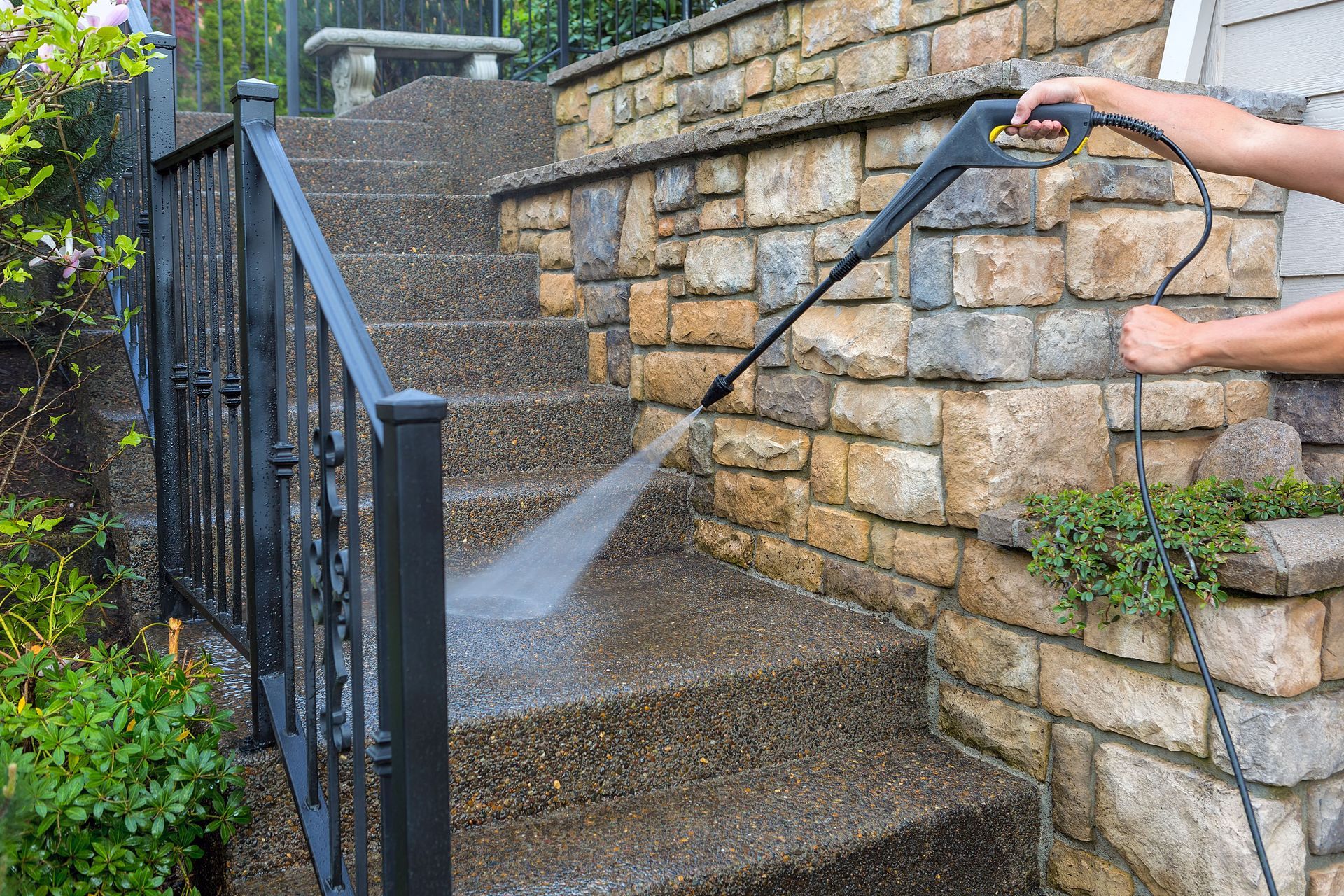
Maintaining the pristine appearance and structural soundness of hand-forged metalwork involves straightforward preventative steps over time. Periodic cleaning with mild detergent and warm water effectively removes accumulated dust, grime, and environmental residue without harming protective clear coats or paint layers. Routine inspections of outdoor iron railing assemblies help identify minor surface scratches or chips in the topcoat early, allowing for quick touch-ups that prevent moisture from contacting the underlying metal. Establishing a consistent maintenance routine ensures that protective surface coatings remain fully intact through severe winter freezes and humid summer heat. Prompt removal of organic debris and salt accumulations prevents localized oxidation from developing near mounting plates and decorative joints.
Long-term preservation also involves periodic application of protective waxes or specialized sealant treatments designed specifically for architectural metals. Promptly addressing minor wear preserves the original luster and prevents premature oxidation or surface degradation. Partnering with experienced metal restoration specialists for periodic refurbishments ensures that historical and modern metalwork retains its structural integrity and beauty indefinitely. Specialized paste waxes applied to interior metal fixtures help repel fingerprints and ambient moisture while enriching the underlying metal patina.
Transforming Spaces with Premium Craftsmanship
Custom metalwork remains an irreplaceable element of fine architecture, delivering an unbeatable combination of safety, endurance, and artistic elegance. From sweeping residential staircases to expansive exterior perimeter barriers, tailored forge work adds permanent character and structural quality to any property. Installing a custom
iron railing represents an investment in superior craftsmanship that enhances daily functionality while raising the overall market value of the building.
Property owners seeking to elevate their interior or exterior environments should partner with established metalworking specialists who understand the art and science of custom fabrication. Consult with the experienced master craftsmen at Cacciola Iron Works today to discuss design possibilities, review material samples, and receive a comprehensive project estimate.
Share On: