
Key Ways Architectural Metalwork Can Complement a Property's Design
Architectural metalwork can influence how a property looks, feels, and functions without overwhelming the original design. A railing may reinforce the lines of a staircase, while a gate can establish the character of an entrance before anyone reaches the building. Balconies, fences, guard railings, and ornamental accents can provide similar visual connections. When these elements are planned in relation to the surrounding architecture, they become part of a unified composition rather than isolated additions.
Successful coordination begins with the building's proportions, materials, colors, and ornamentation. A contemporary property may benefit from crisp profiles and restrained geometry, whereas a traditional structure may call for curves, scrolls, cast details, or hand-forged features. Even components commonly grouped as misc metals can contribute meaningfully when their dimensions and finishes relate to nearby doors, windows, masonry, or trim. The goal is to support the property's identity while meeting each piece's practical purpose.
Reinforce the Building's Architectural Style
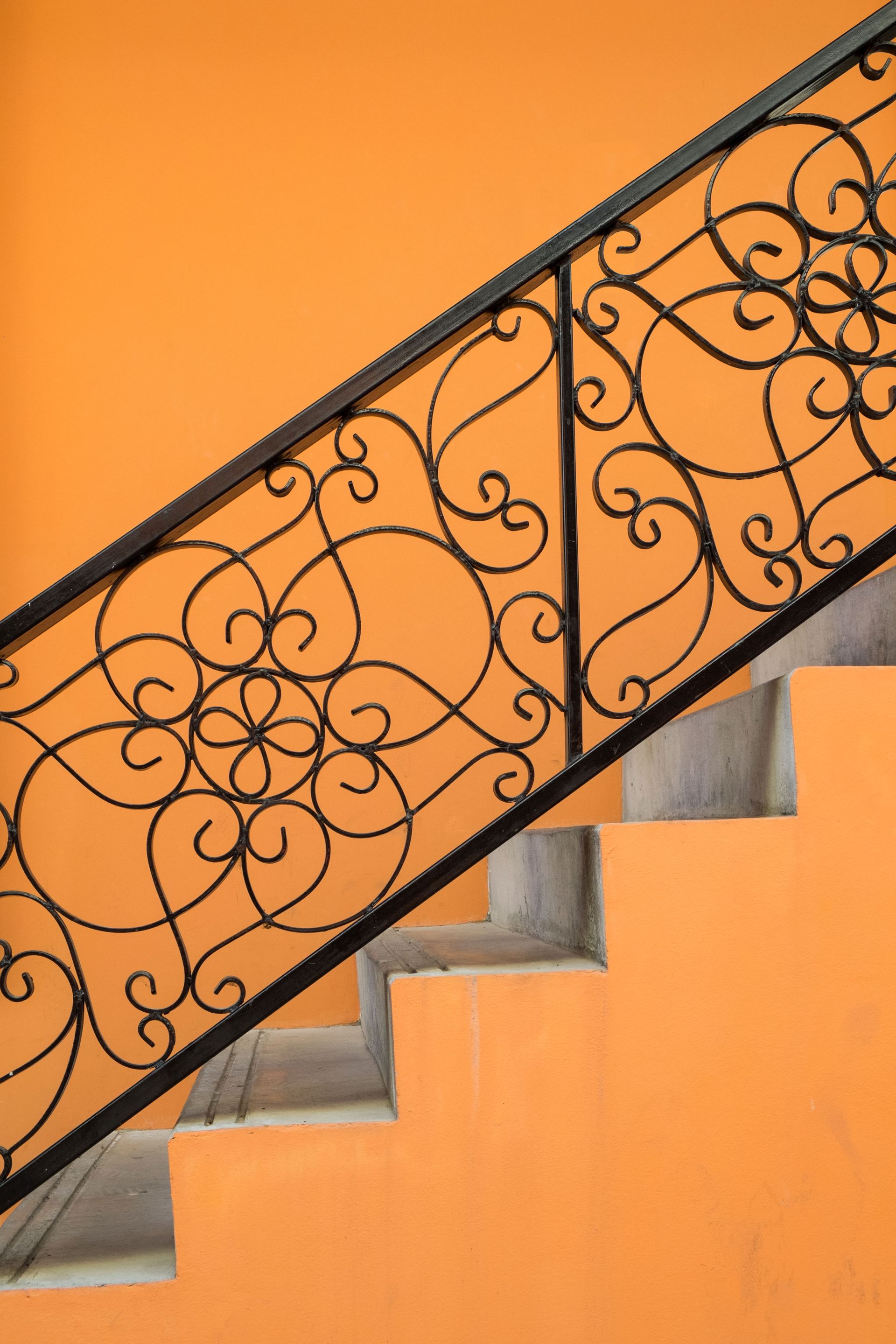
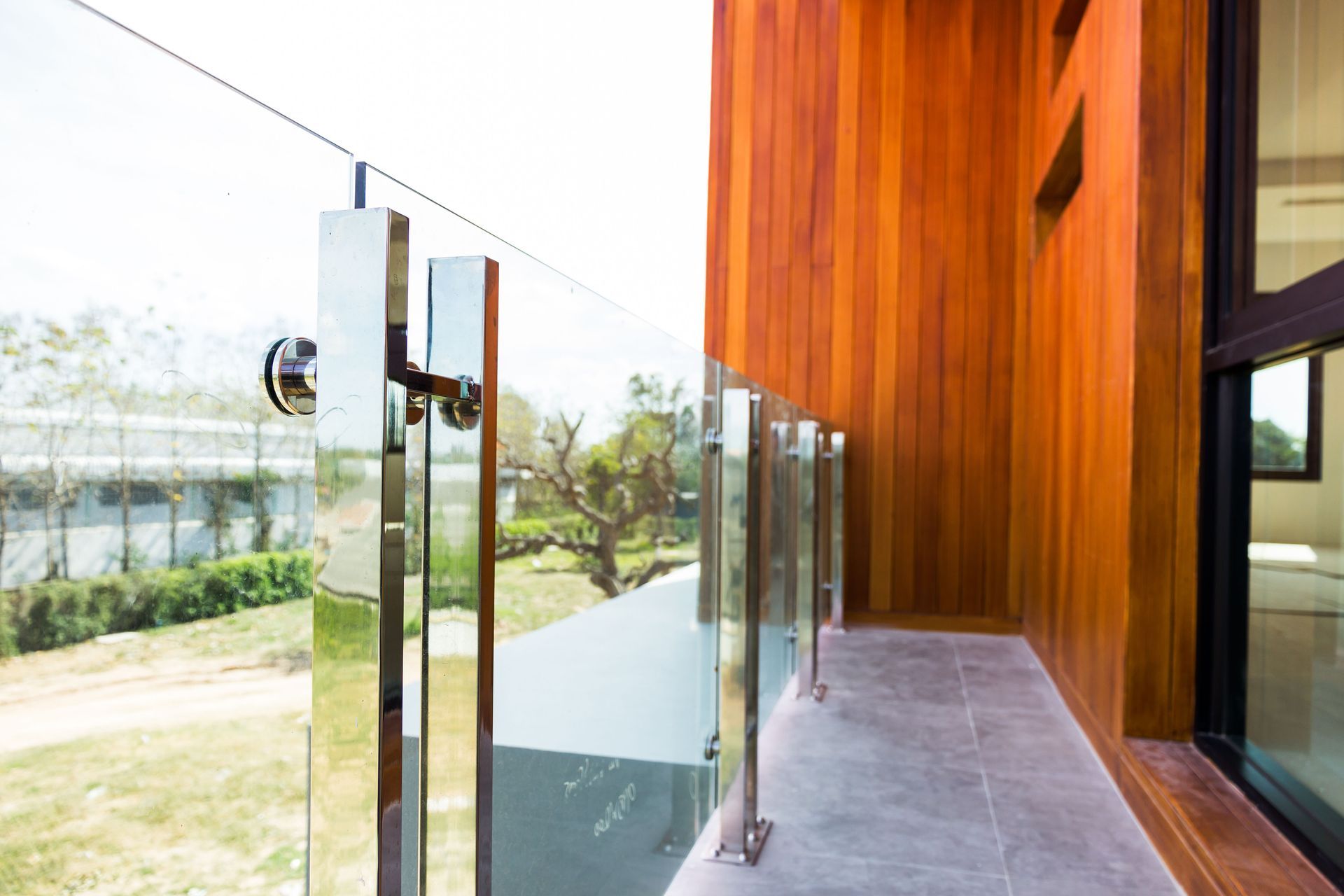
Metalwork can echo visual cues that already define a property. Straight pickets and narrow posts may extend the clean vertical rhythm of modern windows, while rounded rails or decorative balusters can suit a building with classical details. On a historic-looking residence, a wrought iron gate with carefully proportioned scrollwork may feel connected to the façade. For a commercial entrance, stainless steel or glass railings can support a streamlined appearance without making the entry seem visually heavy.
Secondary components follow the same principle. Post caps, mid-rails, brackets, custom castings, and transitions between sections can repeat shapes found elsewhere on the building. Rather than treating misc metals as background pieces, designers can carry a consistent motif from an exterior gate to a stairway or balcony. Repetition does not require every element to look identical; a shared curve, line weight, or spacing pattern can create enough continuity.
Use Proportion to Create Visual Balance
Even an attractive design can appear out of place if its scale does not match the property. Wide steps and substantial masonry columns may call for railings with enough visual weight to hold their own, while a compact porch might be better served by slimmer members and more open spacing. The height of a fence or gate also affects how the building is perceived from the street. Careful proportion keeps these features noticeable without allowing them to dominate the architecture.
Spacing is equally important because it shapes how solid or transparent the metalwork appears. Closely arranged pickets create a stronger visual boundary, while glass panels or cable rails preserve longer sightlines. Custom fabrication allows these choices to respond to the dimensions of stairs, balconies, decks, porches, and entryways. That flexibility gives misc metals and larger architectural features a shared sense of scale across the property.
Coordinate Materials With the Desired Character
Different metals and railing systems bring distinct qualities to a design. Wrought iron readily supports curved forms, ornamental patterns, and traditional details, yet it can also be fabricated into simple geometric arrangements. Aluminum offers a lighter appearance, corrosion resistance, and a broad selection of powder-coated colors. Stainless steel can introduce a crisp, polished quality, while brass adds warmth and a more decorative presence. Glass and cable rail systems create openness when preserving views is an important part of the plan.
Material selection should account for placement and adjacent surfaces. A powder-coated aluminum railing can coordinate with window frames, siding, or exterior trim, while ironwork may form a strong contrast against stone or brick. Interior metalwork can draw from flooring, lighting, door hardware, and other finishes. When misc metals share a compatible material or finish, functional connections can become subtle extensions of the overall palette.
Add Custom Details Without Creating Visual Clutter
Customization gives architectural metalwork its ability to respond to a particular property. Hand-forged elements, cast components, finials, balusters, curved rails, and tailored post caps can distinguish an installation from a standard product. The most effective details have a clear relationship to the architecture. A repeated geometric shape might complement contemporary trim, while restrained scrollwork could relate to arched openings or other traditional forms.
A few recurring details generally create a stronger result than filling every space with ornament. One motif can appear in a gate, return in a railing panel, and surface again in a smaller casting without becoming repetitive. According to Market Data Forecast, the North American metal fabrication market reached a value of $4.85 billion in 2024. That scale reflects the broad role of fabricated metal in the built environment, but custom
misc metals remain most effective when fabrication choices answer the needs of an individual building.
Define Entrances and Property Boundaries
Entrances shape a visitor's first impression, making gates and railings especially influential design features. A wrought iron gate can frame a walkway and introduce ornamental details that appear again near the front steps. Aluminum or stainless steel railings can give a commercial entrance a clean, orderly edge. Fences can also reinforce the property's character when their height, spacing, and decorative features relate to the gate rather than competing with it.
Boundary elements do not need to create a closed or severe appearance. Open pickets preserve views, glass railings maintain visual connection, and thoughtfully placed ornamental work can soften a substantial barrier. On larger properties, repeating a limited set of forms helps connect entrances, stairs, balconies, and perimeter features. Coordinated misc metals can complete those transitions where different railing or fencing sections meet.
Support Commercial Design Priorities
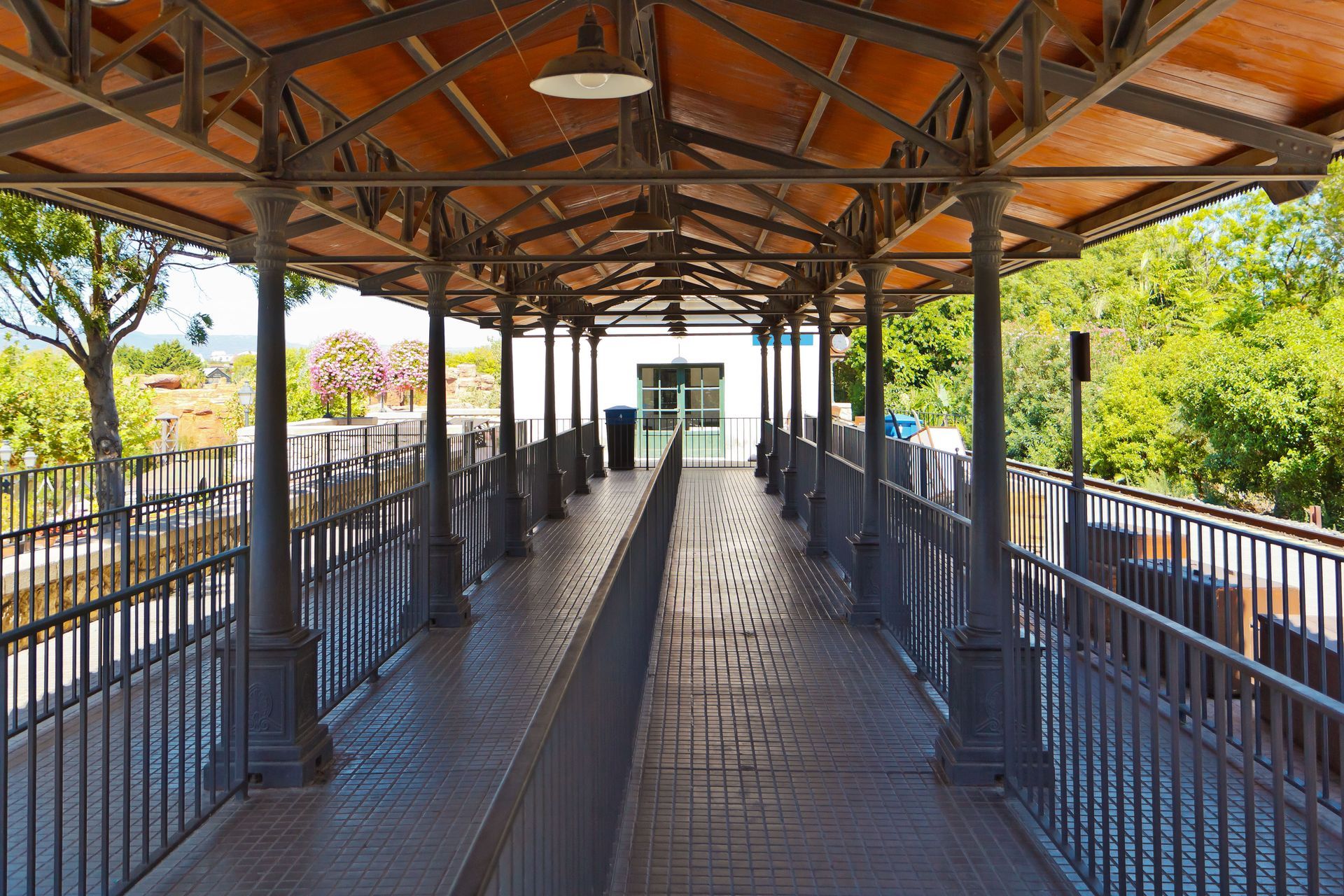
Commercial properties often need metalwork that contributes to a polished appearance while accommodating frequent use. Guard railings, entrance rails, stair components, and architectural accents can reinforce the identity of an office, retail building, residential complex, or other shared property. Clean geometry may communicate a contemporary character, whereas ornamental elements can bring distinction to a more traditional façade. The design should also remain coherent when viewed from entrances, walkways, stairs, and upper levels.
Consistency becomes more important when a project contains numerous metal components. Repeated profiles, coordinated finishes, and carefully planned transitions keep high-volume installations from appearing fragmented. In-house fabrication can support that consistency by maintaining the intended dimensions and details across multiple pieces. It also allows miscellaneous architectural elements to relate closely to the main railing or guard system instead of reading as afterthoughts.
Give Functional Features a Lasting Design Role
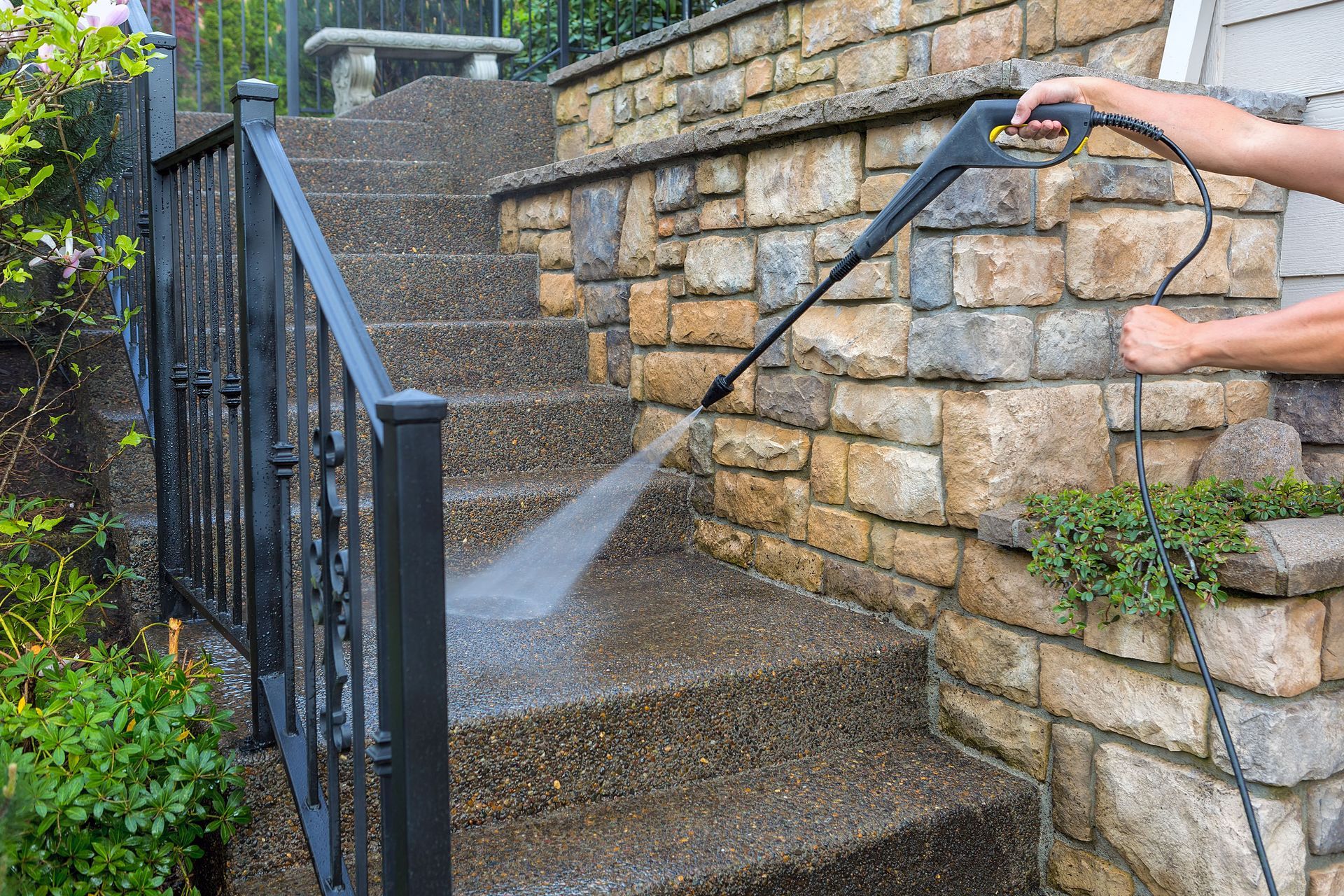
Railings, gates, fences, and guards serve clear purposes, but function does not prevent them from contributing to the architecture. A sturdy railing can add rhythm to a long staircase, a balcony rail can define the building's horizontal lines, and a gate can create a focal point at the edge of the property. Metal's durability helps these features retain their design role through years of regular use. Protective coatings and suitable material choices further support their appearance in exposed settings.
Installation affects the finished composition as much as fabrication does. Accurate field measurements help pieces fit the intended openings, while appropriate anchoring keeps posts and rails aligned with the surfaces around them. Level sections, orderly transitions, and clean connections allow the design to appear intentional from both near and far. When fabrication and installation respond to the architecture together, the finished metalwork feels integral to the property.
Architectural metalwork complements a property most successfully when material, proportion, detail, and placement respond to the building as a whole. Thoughtful coordination allows functional elements to feel integrated with the design while contributing lasting visual definition. At Cacciola Iron Works, we bring more than 40 years of experience to custom residential and commercial metalwork, including railings, gates, fences, castings, and architectural pieces. We welcome property owners, contractors, and managers to contact us when they are considering metalwork that needs to fit both the structure and its visual character.
Share On: