
Durability Meets Design: Why Aluminum Railings Outpace Wood and Iron
When it comes to designing both functional and aesthetically pleasing outdoor spaces, the choice of railing material is more than a simple preference—it is a decision that affects durability, maintenance, and overall visual appeal. Homeowners and commercial property managers alike are moving away from traditional materials such as wood and iron, opting instead for aluminum railings that combine strength, versatility, and longevity. While wood brings natural warmth and iron exudes classic charm, aluminum offers an unmatched combination of durability and design flexibility that keeps properties safe, stylish, and low-maintenance for years to come. In this article, we will explore why aluminum railings are increasingly the preferred choice and how they compare to their traditional counterparts.
The Strength of Aluminum Railings
Aluminum railings are inherently strong, yet surprisingly lightweight—a combination that makes them ideal for a wide range of applications, from residential decks to commercial balconies. Unlike wood, which can warp, crack, or rot over time, aluminum maintains its structural integrity even when exposed to harsh weather conditions. Iron, while also durable, can rust without proper protective coatings and requires consistent maintenance to prevent corrosion.
The molecular structure of aluminum gives it a natural resistance to environmental stresses. Rain, snow, humidity, and extreme temperature fluctuations have minimal impact on its performance. This resistance translates into years of reliable safety and stability for railings without compromising appearance. Aluminum railings also resist denting and bending better than wood, providing long-term security that is essential for elevated platforms, staircases, and balcony edges.
Design Flexibility That Matches Modern Aesthetics
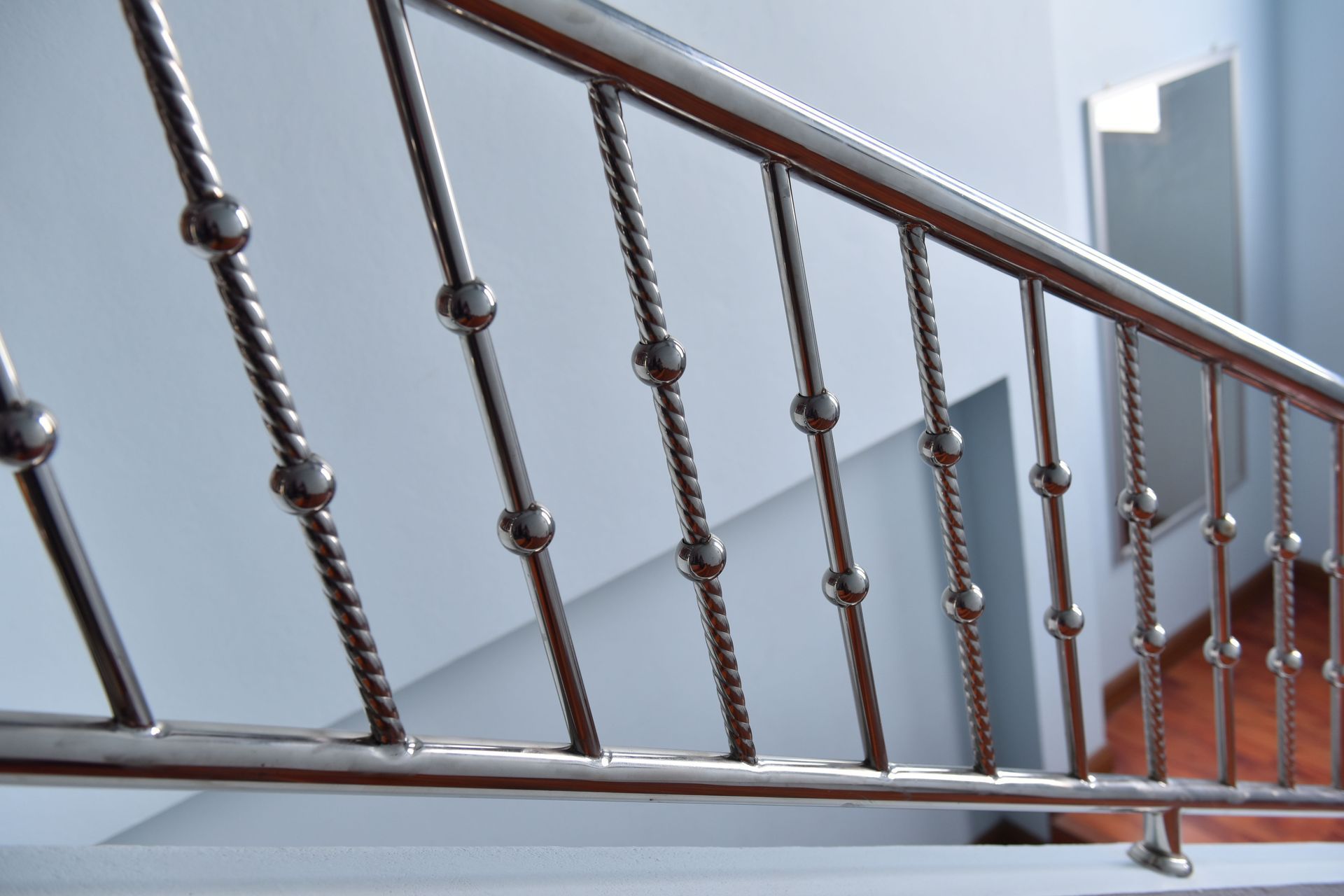
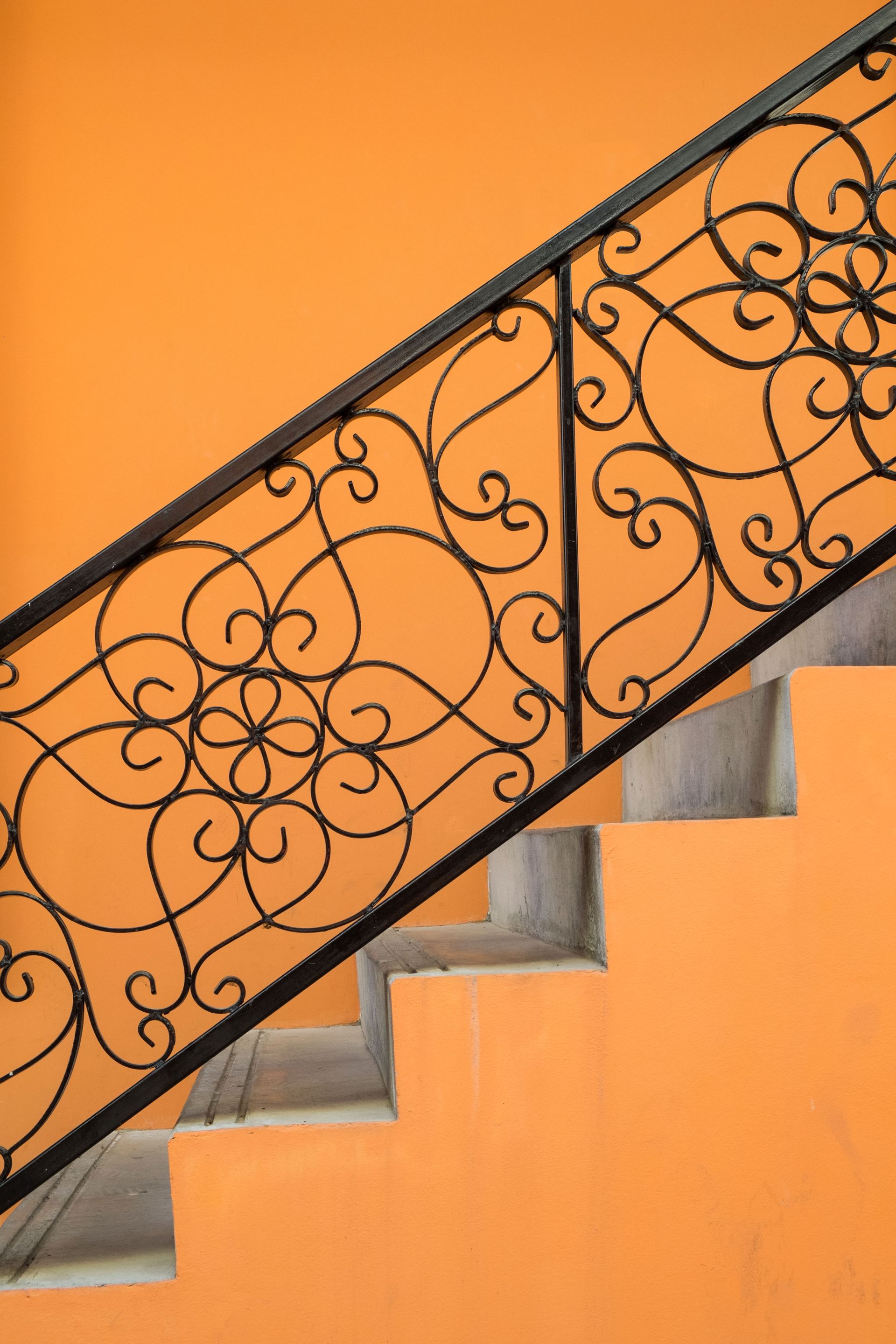
One of the greatest advantages of aluminum railings is their design flexibility. Aluminum can be extruded into a variety of shapes, patterns, and sizes, allowing architects and homeowners to implement highly customized designs. From sleek, modern lines to ornate balusters, aluminum can emulate the look of traditional iron or offer entirely contemporary aesthetics without the structural limitations of heavier metals.
Wood, in comparison, is limited in design possibilities unless it undergoes intensive carving, which increases costs and maintenance. Iron offers intricate designs but can be challenging to fabricate on-site and often requires welding, which increases labor expenses. Aluminum railings, by contrast, can be powder-coated in virtually any color, pre-assembled in modular sections, and even integrated with glass panels or composite materials, giving properties a modern, polished look while maintaining functional strength.
Low-Maintenance Advantages Over Wood and Iron
Maintenance requirements are a significant factor when evaluating railing materials. Aluminum railings stand out for their low upkeep. They do not require regular staining, sealing, or painting as wood does, which can be both labor-intensive and expensive over time. Aluminum also resists rust and corrosion, eliminating the constant vigilance necessary to maintain iron railings, especially in humid or coastal environments.
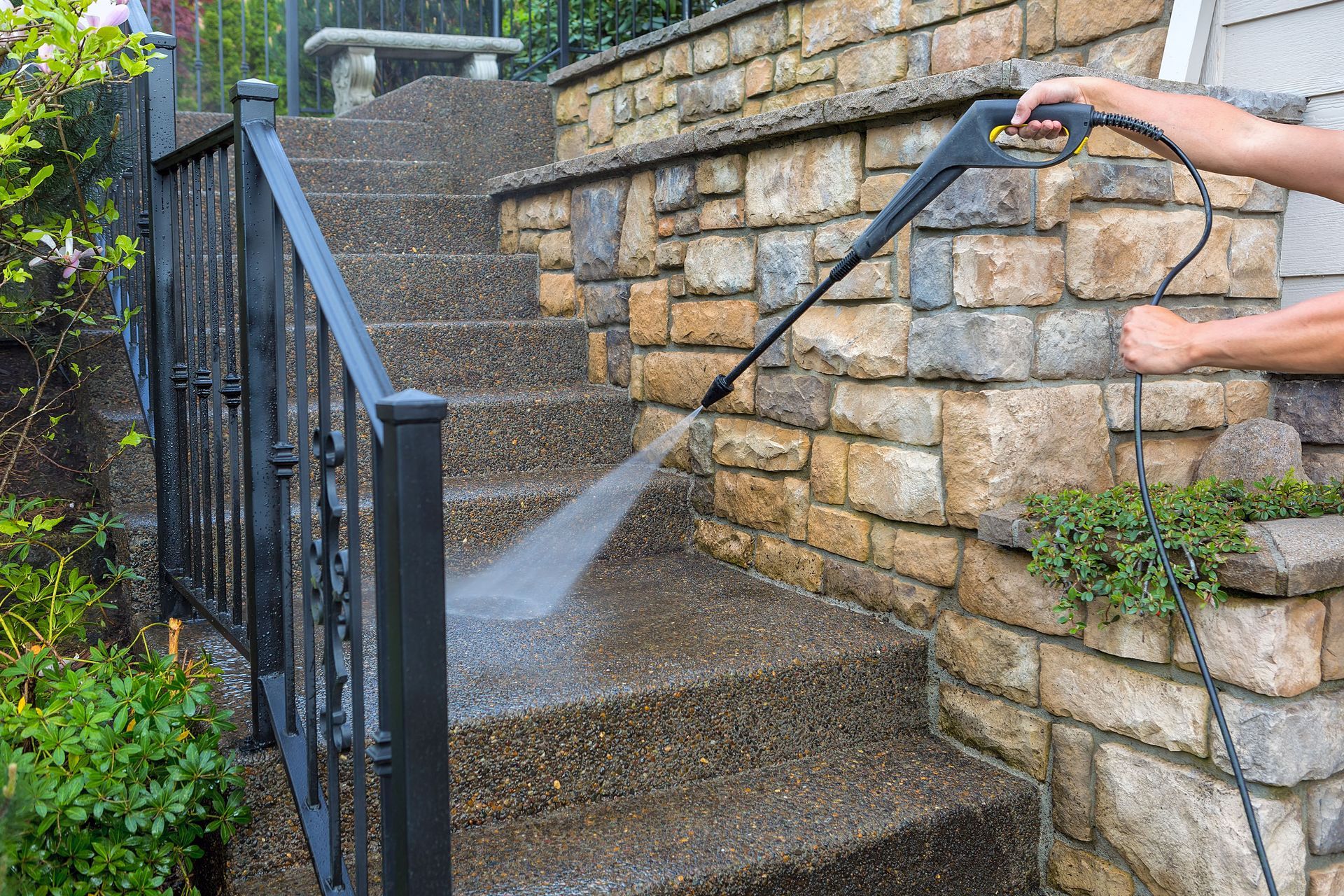
Periodic cleaning with soap and water is usually sufficient to keep aluminum railings looking new. Even in environments with high exposure to sunlight, aluminum retains its finish longer than wood, which can fade, warp, or crack, and iron, which can develop rust spots despite protective coatings. The result is a railing system that offers years of visual and functional consistency with minimal effort, making it a smart choice for busy homeowners and commercial property managers.
Aluminum Railings Are Environmentally Conscious
Sustainability has become an increasingly important consideration in building and renovation projects. Aluminum is highly recyclable without losing quality, making aluminum railings an eco-friendly choice. Unlike wood, which contributes to deforestation if not sourced responsibly, aluminum can be reprocessed repeatedly, reducing the demand for new raw material.
According to Reuters, the apparent consumption of aluminum in the United States in 2024 was approximately 4.3 million metric tons, highlighting the material's widespread availability and industrial relevance. This accessibility ensures that using aluminum does not come at the cost of environmental strain, while offering long-term performance advantages over other railing materials. The combination of recyclability and durability makes aluminum a sustainable investment that aligns with modern environmental standards.
Cost-Effectiveness and Longevity
While aluminum railings can have a higher initial cost than wood, they often prove more cost-effective over the long term. Wood railings require frequent maintenance and eventual replacement due to rotting, warping, or insect damage. Iron, though durable, demands ongoing treatments and can be expensive to repair if rust or corrosion occurs.
Aluminum railings provide a predictable cost profile with minimal ongoing expenses. Their resistance to environmental stressors means homeowners can avoid recurring repairs, staining, or painting costs. Additionally, the lightweight nature of aluminum reduces shipping and installation costs compared to iron, which often requires heavy-duty supports and specialized labor. When factoring in maintenance, durability, and replacement cycles, aluminum often surpasses wood and iron in overall value.
Safety and Structural Integrity
Safety is a primary concern for railings, particularly in multi-story buildings, commercial properties, and areas with children or elderly residents. Aluminum railings are engineered to meet or exceed building codes, offering consistent structural integrity across various heights and spans. The material's resistance to weathering, denting, and warping reduces the risk of railing failure.
Aluminum railings can be tested for load-bearing capacity during fabrication, ensuring that every installation meets rigorous safety standards. This reliability not only protects occupants but also helps property owners comply with safety regulations and reduces liability concerns.
Versatility in Applications
Another advantage of aluminum railings is their adaptability across a variety of environments. They perform well in residential decks, staircases, pool enclosures, commercial terraces, and public spaces. Their lightweight nature makes them suitable for both new construction and retrofit projects without requiring extensive structural modifications.
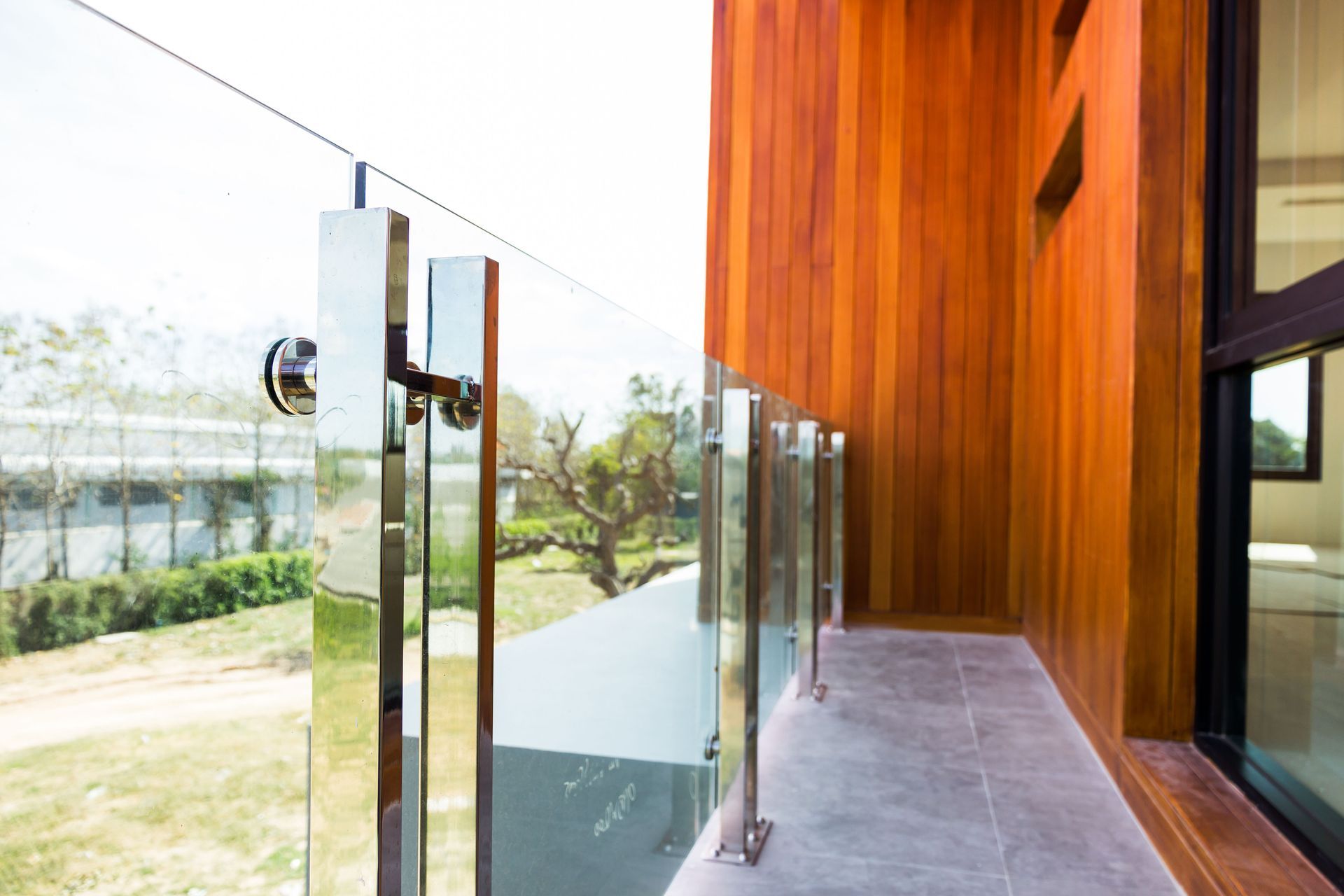
Additionally, aluminum railings can be paired with complementary materials such as glass, cable, or composite decking to enhance aesthetic appeal while maintaining functional strength. This versatility allows designers and homeowners to achieve the visual effect of more expensive or high-maintenance materials without sacrificing performance.
Weather Resistance and Coastal Performance
Aluminum railings excel in areas prone to harsh weather or coastal exposure. Unlike iron, which can rust in salt-laden air, aluminum naturally forms a protective oxide layer that shields the metal from corrosion. Wood, even when treated, can absorb moisture and suffer from mold, mildew, or termite damage over time.
For properties located near oceans, lakes, or regions with frequent storms, aluminum railings offer peace of mind. The material maintains its finish and structural integrity despite prolonged exposure to moisture, UV rays, and temperature fluctuations, making it a practical choice for long-term installations.
Custom Finishes and Colour Options
Aluminum railings are highly versatile in terms of finishes and colors. Powder coating allows for a wide range of hues, from classic black or white to bold, contemporary shades. This customization provides a finished appearance that enhances property aesthetics without additional maintenance concerns.
Wood and iron can be painted or stained, but these finishes often degrade over time due to weather exposure. Regular repainting or refinishing is necessary to maintain appearance, adding ongoing cost and labor. With aluminum, the initial finish is durable, resistant to chipping, and retains color far longer than alternative materials, ensuring both beauty and practicality.
Aluminum railings exemplify a material that successfully balances durability, design, and practicality. From their resistance to environmental stressors and corrosion to their customizable aesthetic options and low maintenance requirements, aluminum outpaces traditional materials like wood and iron in nearly every measurable category. Their versatility across residential and commercial applications, coupled with a long lifespan and sustainable characteristics, makes aluminum a smart, forward-looking choice for modern construction and renovation projects. Contact Cacciola Iron Works to get started with our offerings today!
Share On: