
The Role of Welding Standards in Custom Metal Fabrication
Welding is a critical component of modern manufacturing, construction, and engineering, but the process goes far beyond simply joining metals together. To ensure safety, reliability, and quality, the industry relies on well-established welding standards that govern every aspect of the craft. These standards provide clear guidelines for materials—including misc metals—procedures, equipment, and worker competency, allowing manufacturers and fabricators to maintain consistency across projects. By adhering to these regulations, organizations not only produce structurally sound and durable products but also protect their workforce, clients, and investments. Understanding the importance of welding standards, especially when working with misc metals, is essential for anyone involved in metal fabrication or industrial production.
1. Welding Standards
Welding standards are defined guidelines that specify the criteria for welding processes, techniques, and quality control measures. Their primary purpose is to ensure that welding tasks are performed in a consistent, reliable, and safe manner across different industries. These standards help maintain the integrity of products by ensuring that all welded components meet predefined safety and durability criteria. Without standardization, the quality and safety of welds would vary significantly, leading to potential structural failures. Thus, the purpose of welding standards is not only about maintaining quality but also about safeguarding lives and investments.
Numerous organizations globally contribute to the development of welding standards. Some of the key players include the American Welding Society (AWS), the International Organization for Standardization (ISO), and the American National Standards Institute (ANSI). These organizations work collaboratively with industry experts to draft, review, and update standards to address technological advances and industry needs. Their role is crucial in ensuring the credibility and applicability of welding standards across different sectors. Through their efforts, standards are regularly revised to keep up with the latest innovations in welding technology and practices.
Welding standards can be categorized into various types, each serving a specific aspect of welding operations. These include materials standards, which deal with base materials and filler metals, and procedure standards, which define the correct welding processes. Performance standards assess the skill level and execution of welders, ensuring adequate training. Equipment standards focus on the machinery used in welding, ensuring that they meet safety and operational criteria. By dividing standards into these categories, the industry can ensure comprehensive coverage of all facets of welding activities.
The development of welding standards has evolved significantly since the inception of welding practices. According to Tulsa Welding School, early forms of metal fabrication began around 1,500 BCE. Over the centuries, as welding techniques advanced, the need for standardized guidelines became apparent to prevent variability in quality. The 20th century saw a major push towards formalized standards with the rise of industrialization. This evolution is driven by the necessity to align with emerging technologies and safety requirements as industries continue to grow and diversify.
2. Quality Assurance
Welding standards play a pivotal role in promoting consistency and precision in manufacturing processes. They provide guidelines that ensure each weld is performed with the same high level of accuracy, minimizing the likelihood of errors. This consistency is crucial in industries where components need to fit precisely, such as in aerospace or automotive manufacturing. Without such standards, variability could lead to defective products and potential system failures. The adherence to these guidelines significantly contributes to the overall reliability and safety of manufactured goods.
Another critical aspect of quality assurance that welding standards address is ensuring material compatibility and optimal performance. These standards help determine the appropriate filler materials and base metals for specific welding applications. By following these guidelines, manufacturers can avoid issues such as material failure or decreased structural integrity. The performance of a welded joint is greatly influenced by material selection, making adherence to standards vital. This ensures that the welded products are not only fit for purpose but also maintain their performance over time under varying conditions.
Welding standards contribute significantly to defect prevention and control during the fabrication process. They provide a framework for identifying potential sources of defects and implementing measures to mitigate them. Regular inspections based on these standards help in early detection of defects, reducing the chance of major failures. By establishing procedures for quality control, standards enable a proactive approach to managing product quality. This predictive approach helps in maintaining customer satisfaction and reducing costly rework or product recalls.
For manufacturers, meeting client specifications is non-negotiable, and welding standards facilitate this process. Clients often have stringent requirements that need to be met for safety, performance, and reliability. By adhering to established welding standards, manufacturers can reliably produce components that meet or exceed these client requirements. This compliance not only ensures client satisfaction but also fosters long-term business relationships. Additionally, it helps in building a reputation for quality within the industry, giving businesses a competitive edge.
3. Safety and Risk Management
Welding standards are crucial for hazard identification and control within the workplace. They provide guidelines on recognizing potential hazards associated with welding operations, such as fire risks, fumes, and electrical hazards. These standards outline measures to mitigate identified hazards, ensuring a safer working environment. By following these guidelines, organizations can significantly reduce the likelihood of accidents and injuries. As safety is paramount, such systematic approaches to hazard management are indispensable to maintaining workplace security.
Training and certification standards are integral components of welding practices, aimed at ensuring worker competency. These standards require welders to participate in ongoing education to stay abreast of the latest techniques and safety protocols. Certification processes evaluate a welder’s skills and knowledge, providing formal recognition of their competency. This not only boosts the individual's confidence but also assures employers of the worker's capabilities. Through standardized training, organizations foster a skilled workforce capable of executing complex welding tasks safely and efficiently.
Compliance with welding standards has proven to be effective in reducing incidents and accidents in workplaces. Adherence to these standards ensures that all welding operations are conducted safely and efficiently, minimizing potential risks. For example, standardized safety protocols have led to significant reductions in welding-related injuries and fatalities. The reduction of workplace hazards translates to lower insurance costs and fewer regulatory fines for companies. Therefore, compliance with welding standards contributes to an overall safer workplace, protecting both employees and company assets.
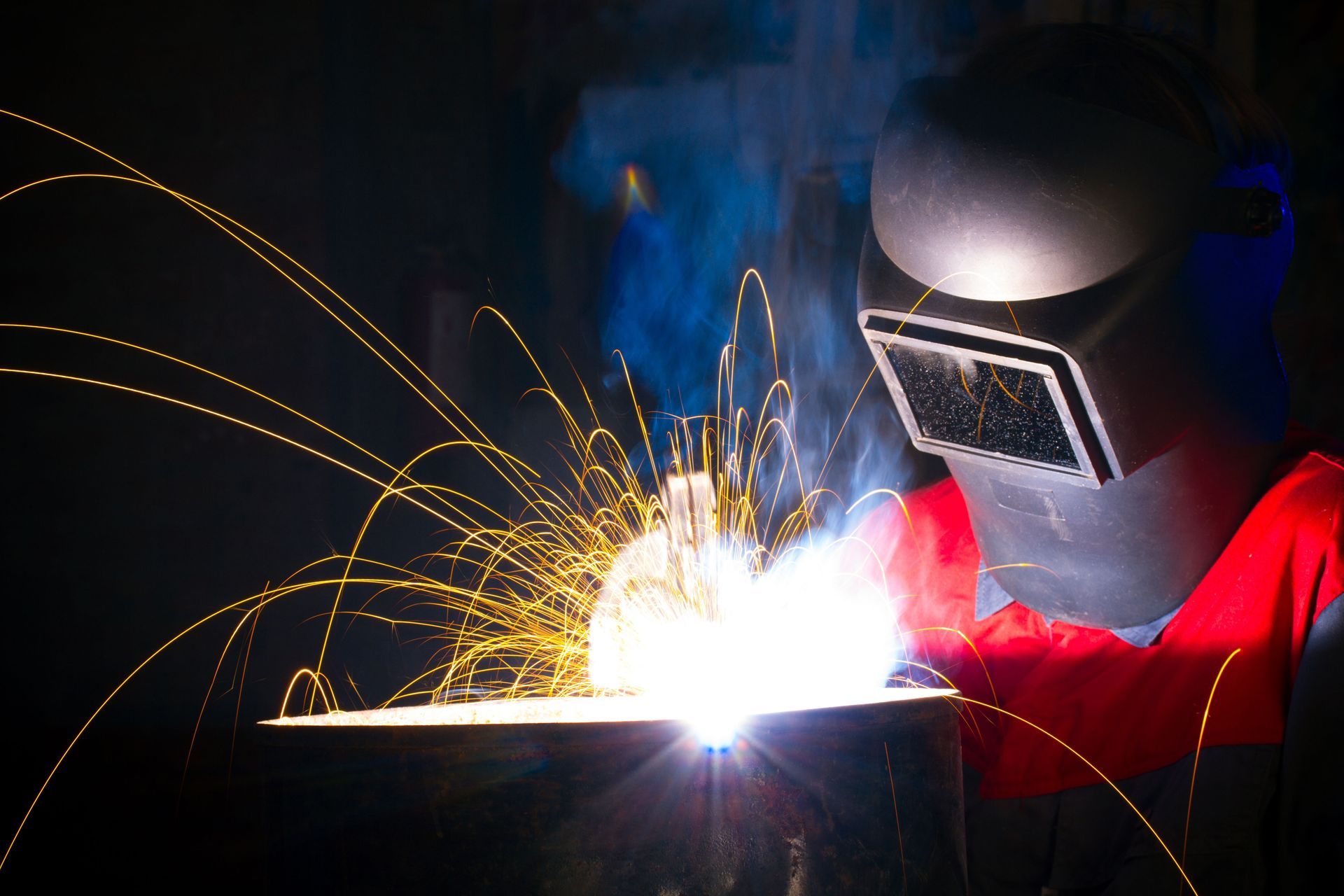
Personal Protective Equipment (PPE) standards are vital in safeguarding workers from welding hazards. These standards specify the necessary protective gear, such as helmets, gloves, and protective eyewear, that workers should use. By adhering to PPE standards, companies ensure that their workforce is equipped to handle the dangers associated with welding. The use of appropriate PPE helps prevent injuries such as burns, eye damage, and respiratory problems. Implementing and complying with these standards reflects an organization's commitment to worker safety and health.
4. Economic Benefits
Adhering to welding standards plays a significant role in reducing material waste during fabrication processes. Standards guide precise measurements and techniques, preventing errors that lead to material wastage. This is particularly important in industries utilizing expensive metals, where waste reduction directly contributes to cost savings. The efficiency introduced through standard practices ensures optimal usage of materials, thereby lowering production costs. In essence, adherence to these standards contributes to sustainable and economical manufacturing practices.
Welding standards are instrumental in enhancing production efficiency within manufacturing environments. They streamline processes by instituting best practices and protocols, ensuring tasks are completed promptly and accurately. This efficiency leads to an increase in production output, as workers spend less time correcting errors and rework. Moreover, improved efficiency translates to shorter delivery times, which can enhance customer satisfaction and increase competitiveness in the market. Overall, welding standards are pivotal in optimizing production workflows, thereby boosting overall productivity.
Welding standards offer substantial cost savings by minimizing defects and rework in manufacturing processes. By following established guidelines, companies can significantly reduce the incidence of defects that necessitate costly corrections. The reduction in defects also leads to fewer returns and warranty claims, saving companies significant resources. These cost savings can be reinvested into other areas such as research and development or employee training. Ultimately, adherence to standards contributes to an economically advantageous manufacturing environment with improved profitability.
Organizations that adhere to stringent welding standards often possess a competitive edge during bidding and contract negotiations. Clients prefer partnering with companies that demonstrate a commitment to quality, safety, and efficiency, all hallmarks of standard adherence. By upholding these standards, businesses enhance their reputation and reliability, making them more attractive to potential clients. This competitive advantage can lead to increased contract wins and long-term partnerships in various industries. Therefore, maintaining compliance with welding standards is a strategic move for sustained business growth.
Welding standards are much more than technical requirements—they are the foundation for quality, safety, and efficiency in modern fabrication. From ensuring proper handling of
misc metals and material compatibility to reducing workplace hazards and optimizing costs, these standards impact every stage of the welding process. Ultimately, welding standards serve as a critical framework that fosters innovation, protects lives, and strengthens industry credibility, demonstrating that consistency and compliance are essential for both practical success and long-term growth. Contact Cacciola Iron Works today for more information.



Share On: