
Applications of Ornamental Metals in Architecture
The use of ornamental metals in architecture dates back centuries, offering both functional and aesthetic benefits. This article delves into the various applications of these metals, highlighting their importance in modern architectural practices. The fusion of aesthetics and utility in metalwork has remained unscathed through time, evolving alongside human progress. Today, metals not only define strength and endurance but also epitomize art through elegant and sophisticated designs. Understanding their multifaceted applications provides insight into their timeless appeal and modern relevance.
Historical Overview of Ornamental Metals in Architecture
Ancient Civilizations and Metalwork
Ornamental metalwork in architecture has a rich legacy that traces back to ancient civilizations. The Egyptians and Mesopotamians utilized bronze for decorative purposes, accentuating their monumental structures. Fine metal craftsmanship was pivotal to the Greeks, as seen in the intricate detailing of temples. This legacy was further enhanced by the Romans, who utilized metals like bronze for both coins and ornamentation in public buildings. Such examples underscore metals as vital components in early architectural feats, offering a blend of robustness and art.
The dexterity in metalworking of early societies involved both utility and embellishment. Artisans crafted gates, statues, and decorative motifs, reflecting cultural significance and status. Metals in ancient times were employed not just for aesthetic value, but also for conveying messages of power and divine connections. These early uses laid the foundation for future architectural endeavors, illustrating how metals transformed structures into cultural beacons. It also established a precedent, inspiring subsequent generations to explore and enhance their artistic scopes in metal.
The evolution of metal use represented the empirical knowledge and technical prowess of ancient civilizations. Technologies in mining, smelting, and forming metals enabled large-scale projects that stood the test of time. These innovations were not only regional but were spread via trade, impacting distant lands and cultures. Metal's adaptability became a crucial factor, setting the stage for further developments in human aesthetics and construction. Hence, the past centuries laid the groundwork for metals as a staple in architectural grandeur.
Medieval and Gothic Architectural Influences
During the medieval era, metalwork became a pivotal part of Gothic architecture, which emerged in Europe during the late 12th century. Builders and artisans admired metals for their versatility in creating detailed exteriors and interiors for cathedrals and public buildings. Cast iron and wrought iron were regularly used in this architectural style, combining strength with a degree of aesthetic finesse that was new to the period. The fine, ornamental ironwork seen in churches, gates, and windows symbolized divine beauty and technological advancement of the era. It marked a significant step forward in the use of metals, rather than mere structural components.
Medieval metalworkers pushed their craft to new limits by incorporating intricate designs and religious symbolism in their work. Gargoyles, railings, and arches often included metal components that added both decoration and structural integrity. These elements were crucial for the architectural narrative of this period, blending spirituality with the pragmatic demands of creating enduring structures. The sweeping sculptures and delicate metal tracery contributed to buildings that were both grand in scale and refined in detail. Such artistic expressions were a testament to the evolving role of metals in both form and function.
The techniques developed during this era became a foundation for future architectural advancements. The use of metals gave birth to technologies and ideologies that would later fuel the Renaissance. By utilizing materials like wrought and cast iron for their flexibility and strength, medieval architects could challenge conventional limits, encouraging innovation.
These developments highlighted the potential for metals in human creativity, effectively bridging the gap between ancient techniques and modern applications. Consequently, Gothic architecture demonstrated the transformative power of metalwork in shaping human spaces.
Renaissance and Baroque Metal Masterpieces
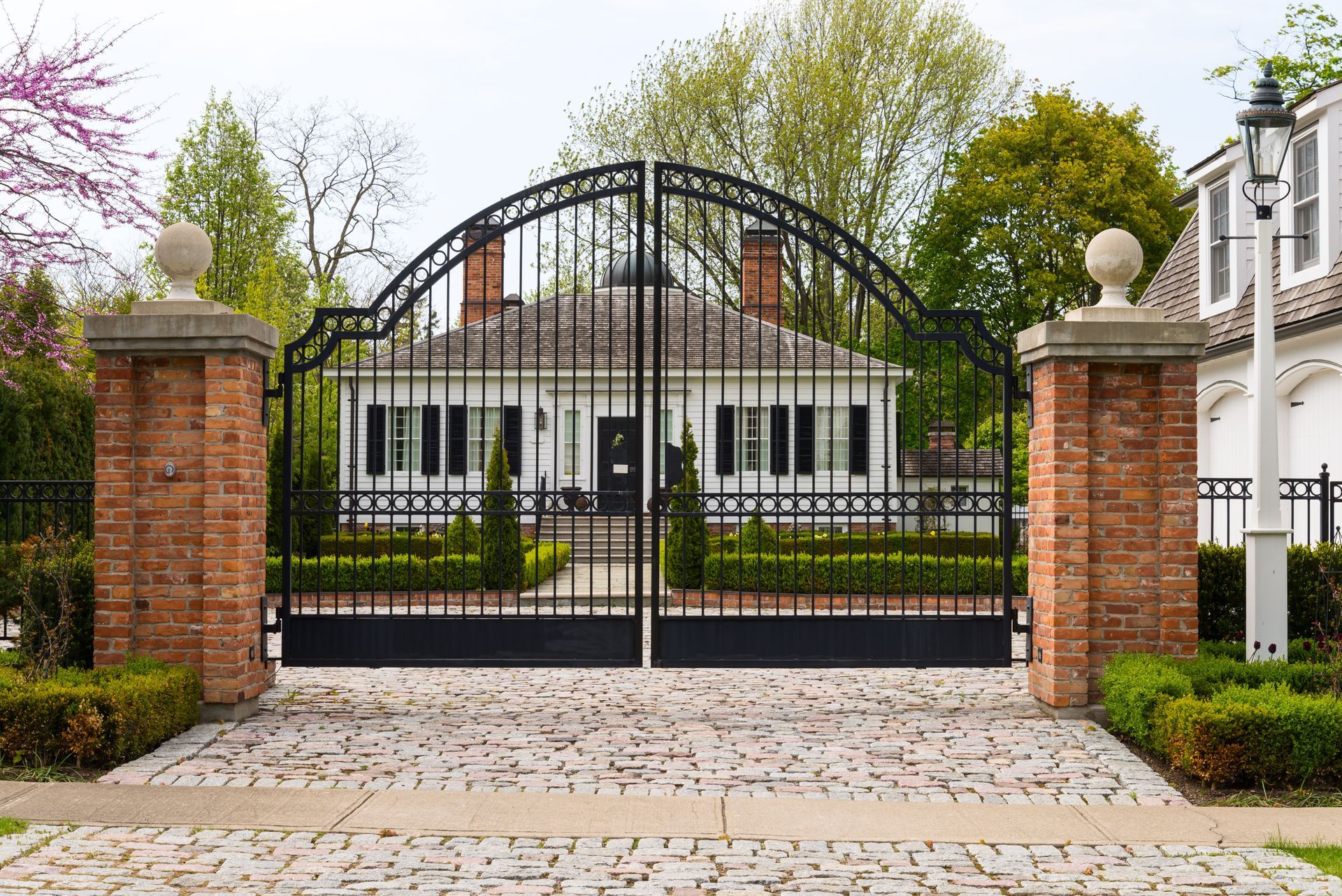
The Renaissance era marked a rebirth in art and architecture, profoundly influencing metalwork. The transition from medieval to modern times saw metal become a medium of exquisite artistry and technical innovation. During this period, metals were employed not only for structural purposes but also for purely decorative roles in buildings. Architects and artists placed a heightened importance on achieving beauty and balance, incorporating intricate metalwork within facades and interiors. Notable works include the elaborate iron gates and decorative panels, whose craftsmanship has inspired awe for centuries.
In the Baroque period, metal ornamentation reached new heights of extravagance and detail. This era valued grandeur and opulence, reflected in the heavy use of metals such as bronze and gilded iron for embellishments. These elements adorned churches, palaces, and estates, showcasing robust yet refined craftsmanship. Emphasis on dramatic contrasts and curvaceous forms allowed metals to complement the new sense of movement and flow characteristic of Baroque architecture. Such applications underscored the versatility of ornamental metals in enhancing architectural narratives.
Throughout both the Renaissance and Baroque periods, metalwork transcended practical applications to become an integral part of architectural identity. The dedication to exploration of artistic forms and structural possibilities led to monumental works that continue to influence modern practice. Master artisans refined their techniques, perfecting the integration of metal within complex designs. This legacy persisted, demonstrating the enduring fascination and utility metals hold within the sphere of architecture. The era's contributions laid the groundwork for subsequent innovations, merging beauty with enduring function.
The Industrial Revolution's Impact on Metal Use
The Industrial Revolution introduced new metallurgical processes that revolutionized architectural practices. The era witnessed an unprecedented advancement in the use of metal due to innovations like mass-production techniques, allowing for easy access to affordable building materials. Cast iron became a staple for bridges and buildings, introducing new design opportunities for architects and engineers. The flexibility and cost-efficiency of metallic structures made them attractive to cities looking to grow rapidly. As a result, Victorian architecture saw a boom, heavily incorporating prominent metal features.
During this period, the proliferation of foundries and workshops enabled unprecedented experimentation with shape, scale, and form. Iron and later steel railings, supports, and frames became key architectural elements in burgeoning urban environments. The advent of skyscrapers and large iron structures—such as London's Crystal Palace—illustrated metal's potential to support increasingly ambitious constructs. This transition solidified the role of metals in creating the modern architectural landscape, allowing vertical architecture to reimagine city skylines worldwide.
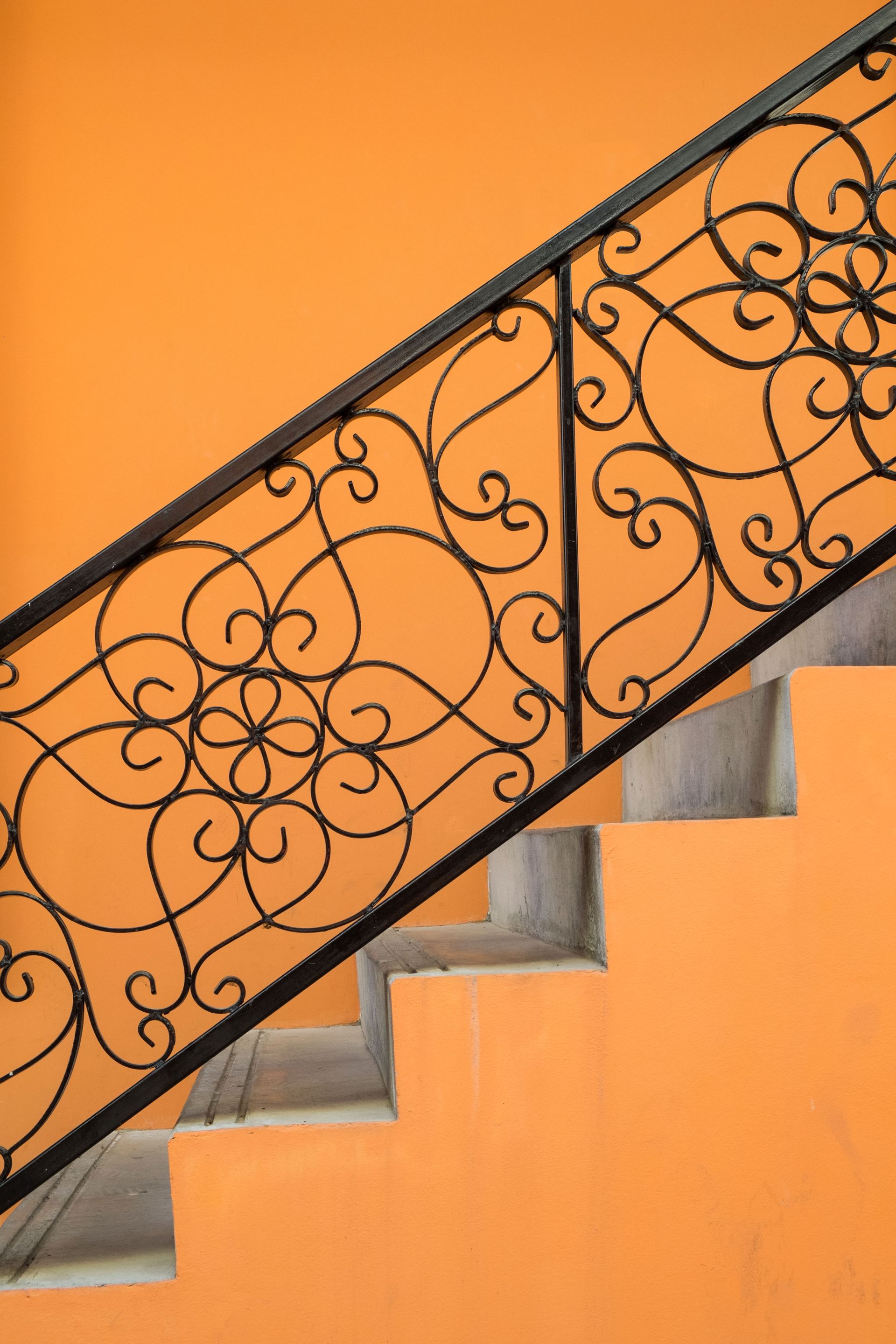
The mass production of metal elements transformed ornamental design into a more systematic and scalable process. Standards for production allowed for widespread adoption of metals in both public and private sectors, democratizing access to intricate ornamental details once reserved for privileges. This evolution was not just a triumph of engineering but served as a cultural shift—expanding stylistic opportunities and aesthetic considerations within contemporary architecture. It symbolized mechanization's impact, guiding societies from local craftsmanship to large-scale urbanization powered by metals.
Modern Revival and Innovations
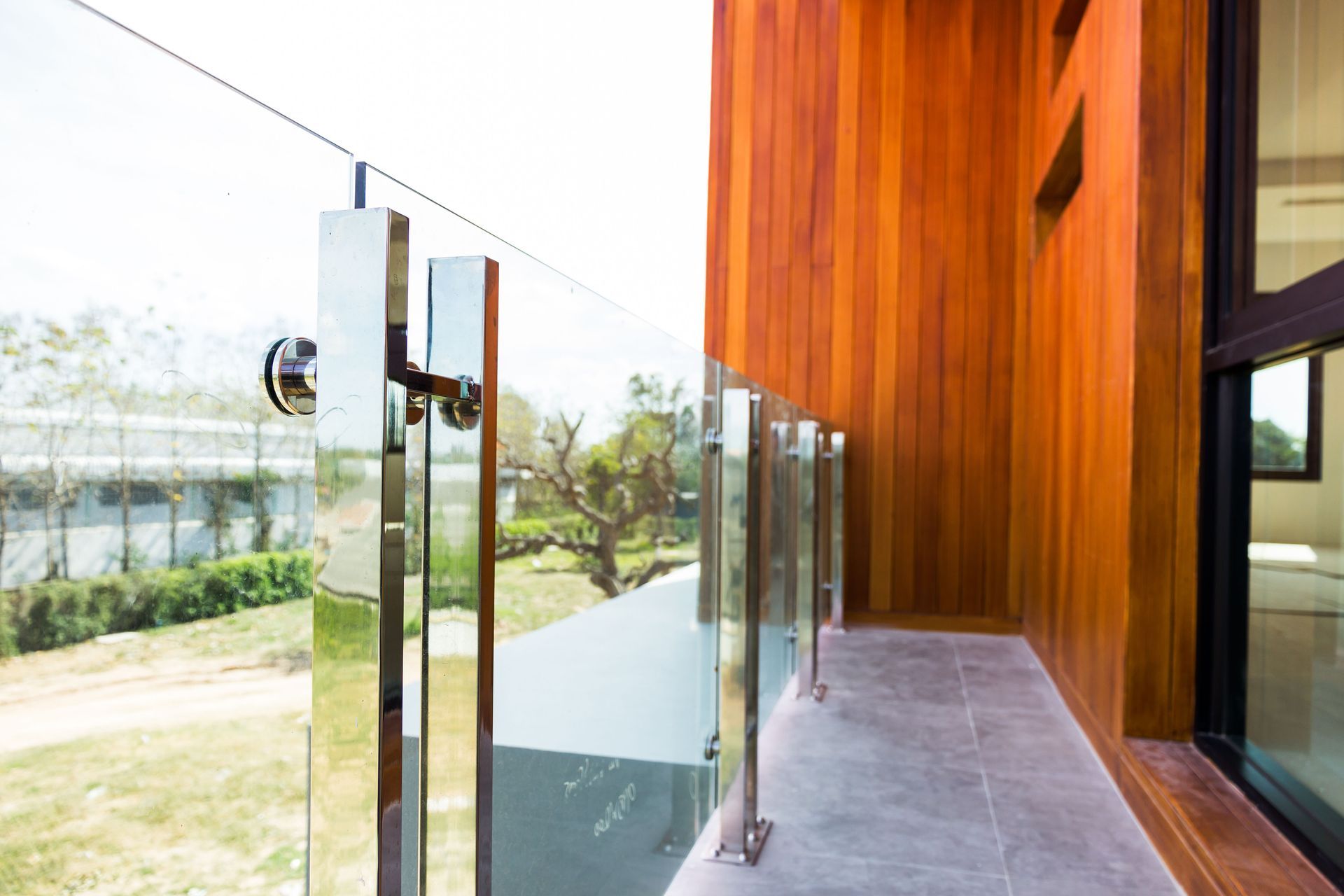
In contemporary architecture, ornamental metals have seen a renaissance bolstered by advances in technology. Modern architects and designers are re-exploring age-old materials using innovative techniques like 3D printing and CNC machining to create complex geometric patterns. These practices enable the realization of designs that were impossible or cost-prohibitive in earlier times. Stainless steel, aluminum, and modern alloys have gained popularity for their durability and aesthetic potential, fitting seamlessly with modernist and avant-garde architectural styles. These materials provide fresh opportunities for creative expression and sustainable building solutions.
Today, the emphasis on green architecture and sustainability has led to a resurgence in metal recycling and eco-friendly fabrication practices. The ability to repurpose metals aligns with modern trends towards resource conservation, offering both economic and environmental benefits. According to Grand View Research, North America's railing market (metals included) generated $8.01 billion in 2023, forecasted to reach $11.04 billion by 2030, with a regional CAGR of 4.7%. These statistics highlight the economic vitality and continued relevance of metal within the architectural sector, emphasizing efficiency and innovation as guiding principles. Be sure to reach out to Cacciola Iron Works today for more information on our professional ornamental metals!

Share On: