
6 Tips on Installing Custom Iron Railings
Installing custom iron railings can significantly enhance the aesthetic and safety of your home. This article provides expert tips and detailed guidance on the installation process to ensure you achieve the best results. Whether you want to improve the security of your staircase, balcony, or outdoor steps, iron railings offer a combination of durability and elegance that is hard to match. Not only do they provide a sophisticated look that complements various architectural styles, but they also add lasting strength and reliability. Proper installation is key to maximizing their functionality and ensuring they stand the test of time, offering both beauty and security for years to come.
1. Define the Purpose and Style
Before diving into the technical aspects of installation, it's vital to have a clear understanding of the purposes your iron railings will serve. Are they primarily for safety, aesthetic enhancement, or both? Determining whether your railing will be decorative, functional, or a combination of both will guide the rest of your planning process. Additionally, aligning your preferences with the overall style of your home will ensure consistency in design. Consider how the railings will complement existing elements like flooring, wall color, and furniture. If you have a specific theme or mood you want to evoke, such as modern or traditional, this will influence the choice of style and finish for your iron railings, ensuring that they blend seamlessly with your home’s décor.
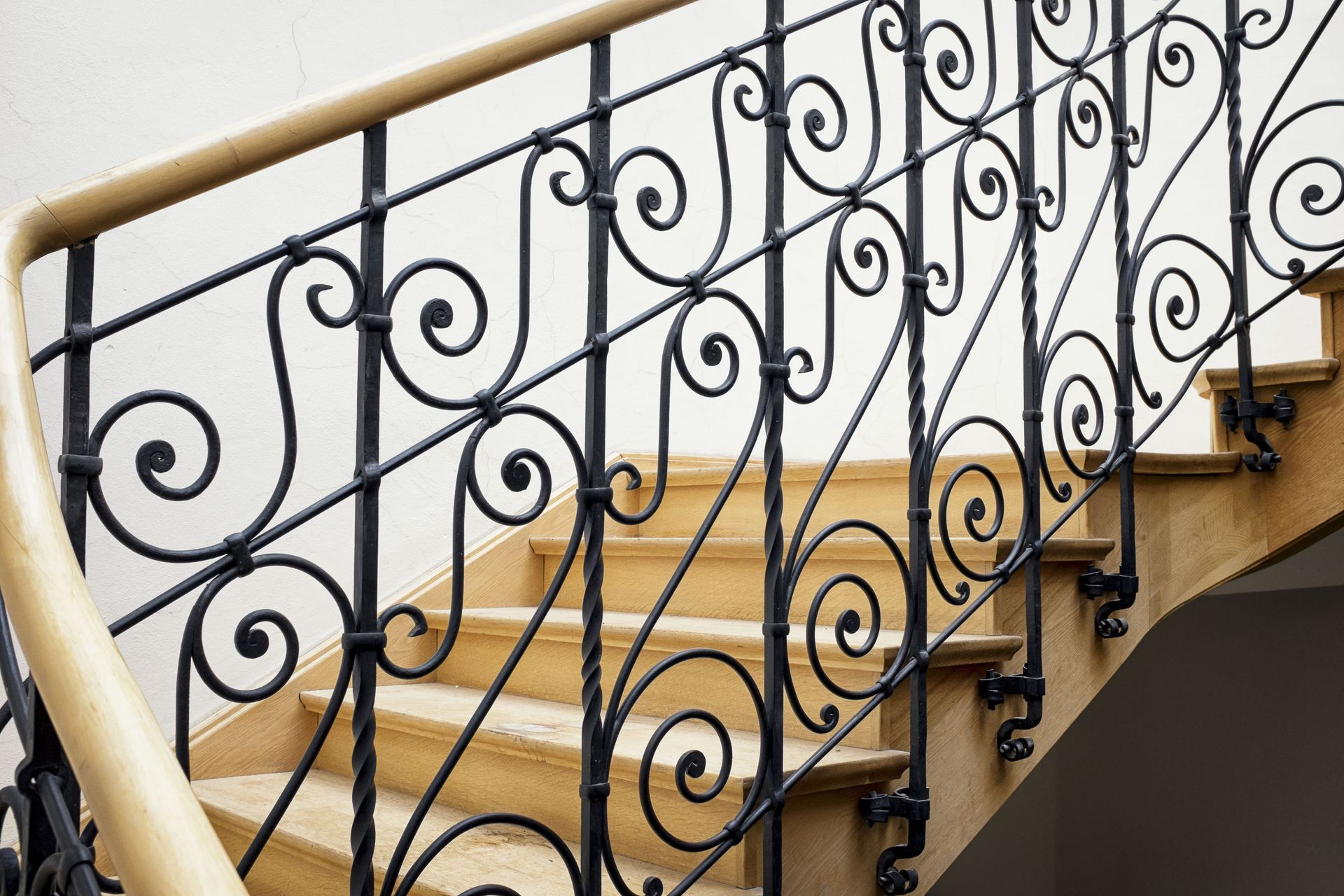
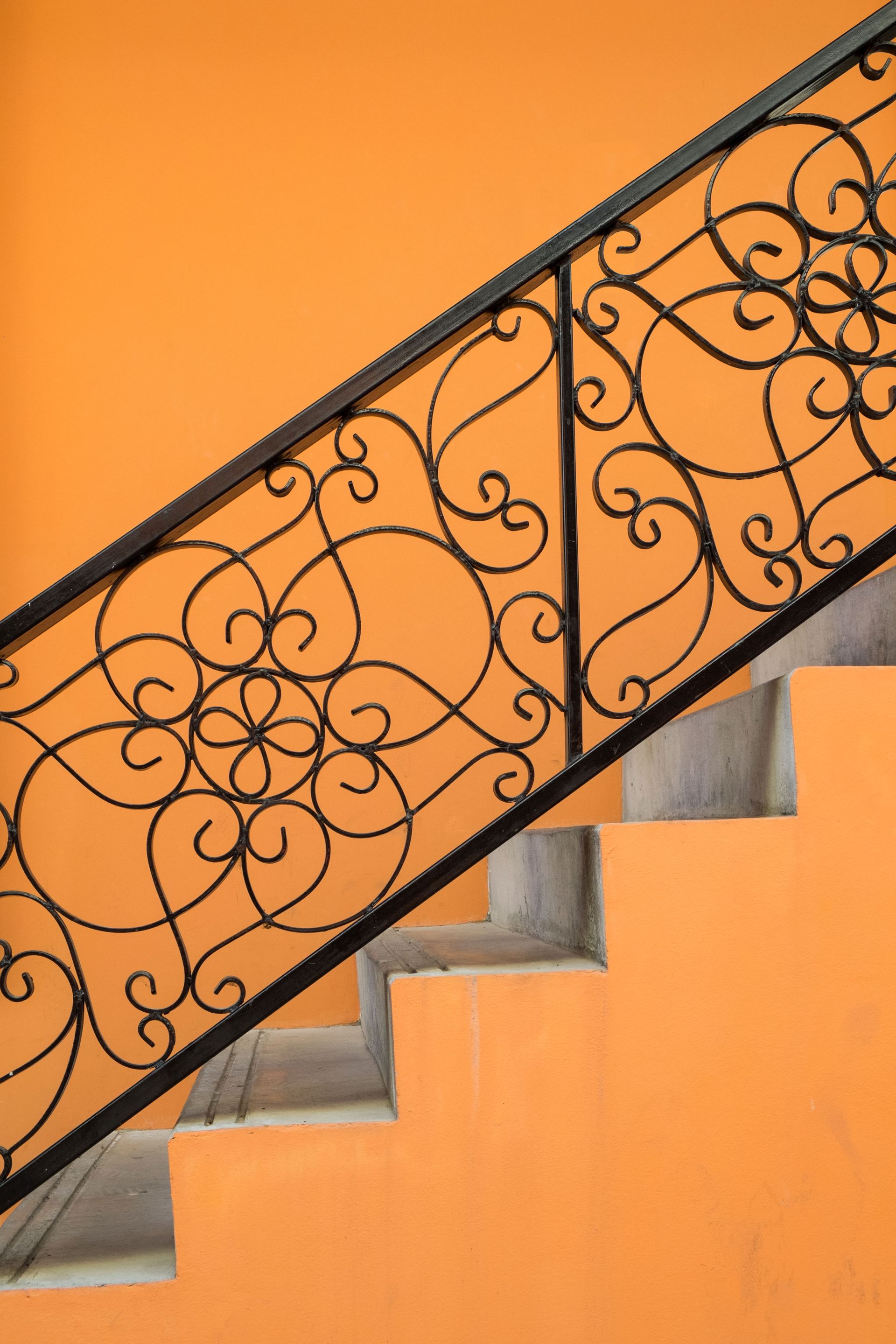
The style of your iron railings should harmonize with the architectural theme of your home. With countless designs available, from ornate Victorian styles to sleek modern looks, you have the opportunity to explore what resonates with your home's character. You can draw inspiration from architectural magazines, online platforms, or even historic buildings to see what resonates most with you. By doing so, you’ll ensure the railings not only serve their practical purpose but also add value to your property.
2. Research Design Inspirations
Researching various design inspirations is a fundamental part of planning your custom iron railings. This step will involve exploring a range of options to find a style and design that fits your taste and complements your home's architecture. Begin by browsing through online design platforms, image galleries, and social media sites. Visiting showrooms and attending home improvement exhibitions can also provide hands-on experience with different designs. Gathering visual references will not only help in decision-making but will also serve as a useful communication tool with designers or architects.
Custom iron railings can be highly versatile, accommodating traditional, contemporary, rustic, or minimalist styles, depending on the design elements you choose. According to Tulsa Welding School, Iron accounts for 95% of all metals used by industrial society, offering numerous design possibilities thanks to its malleability. This versatility is why almost 98% of iron ore is used to make steel, underlying its usage in iconic structures and furnishings. Selecting a design inspiration that resonates with you involves considering design motifs, color schemes, and potential embellishments that can be adapted to your setting. This step ensures that the chosen design not only pleases the eye but also aligns with functional requirements like safety.
3. Consider the Measurements and Layout
Accurate measurements and thoughtful layout consideration are essential to the successful installation of your custom iron railings. The initial assessment should include a careful survey of the area to determine the dimensions you’ll be working with. This includes measuring the length, width, and height of the spaces where the railings will be installed. Which might differ for staircases, balconies, or outdoor decks in terms of size and required clearance for accessibility. Getting this right is crucial for fitting and alignment later in the installation process, as even minor discrepancies can lead to major issues with safety and compliance.
Beyond the measurements, the overall layout where the railings will be installed must in order to be thoroughly evaluated. Think about the flow of foot traffic, how the space will be used, and the best way to position the railings to enhance functionality and aesthetic appeal. Consider potential obstructions or architectural features that might affect installation, such as the presence of walls, slopes, or turns in staircases. A well-planned layout helps to prevent issues related to tight spaces, awkward gaps, and incorrect post spacing, which could compromise safety and appearance.
4. Consider Your Budget and Material Selection
When planning custom iron railings, your budget will play a critical role in the project's scope and execution. Budgeting is not merely about limiting costs but about allocating resources effectively to ensure quality and compliance without unnecessary expenditure. Begin by estimating material costs, labor, permits, and additional expenses like finishes or customizations you might want. It's worth considering any long-term costs, such as maintenance, as choosing cheaper materials might require more frequent upkeep or replacements. A realistic budget provides a framework for decision-making throughout the project.
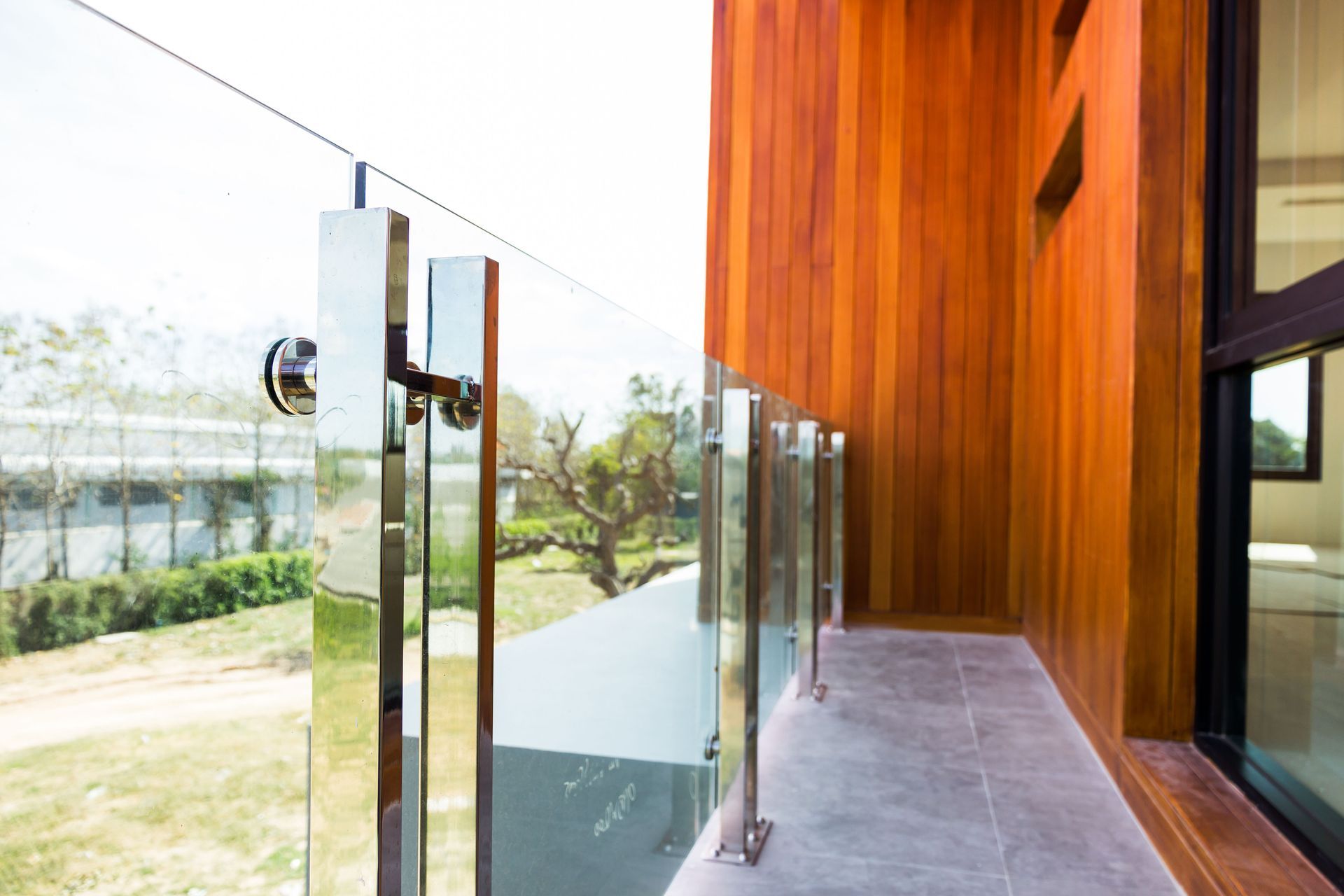
Choosing materials involves balancing aesthetic preferences with financial feasibility. Iron is a popular choice for railings due to its strength and versatility. Understanding differences in materials is crucial, as the choice of material will impact the railing's appearance, maintenance requirements, and longevity. Select materials considering your budgetary constraints as well as the functional and visual impact you desire.
5. Consider Weather Resistance and Maintenance
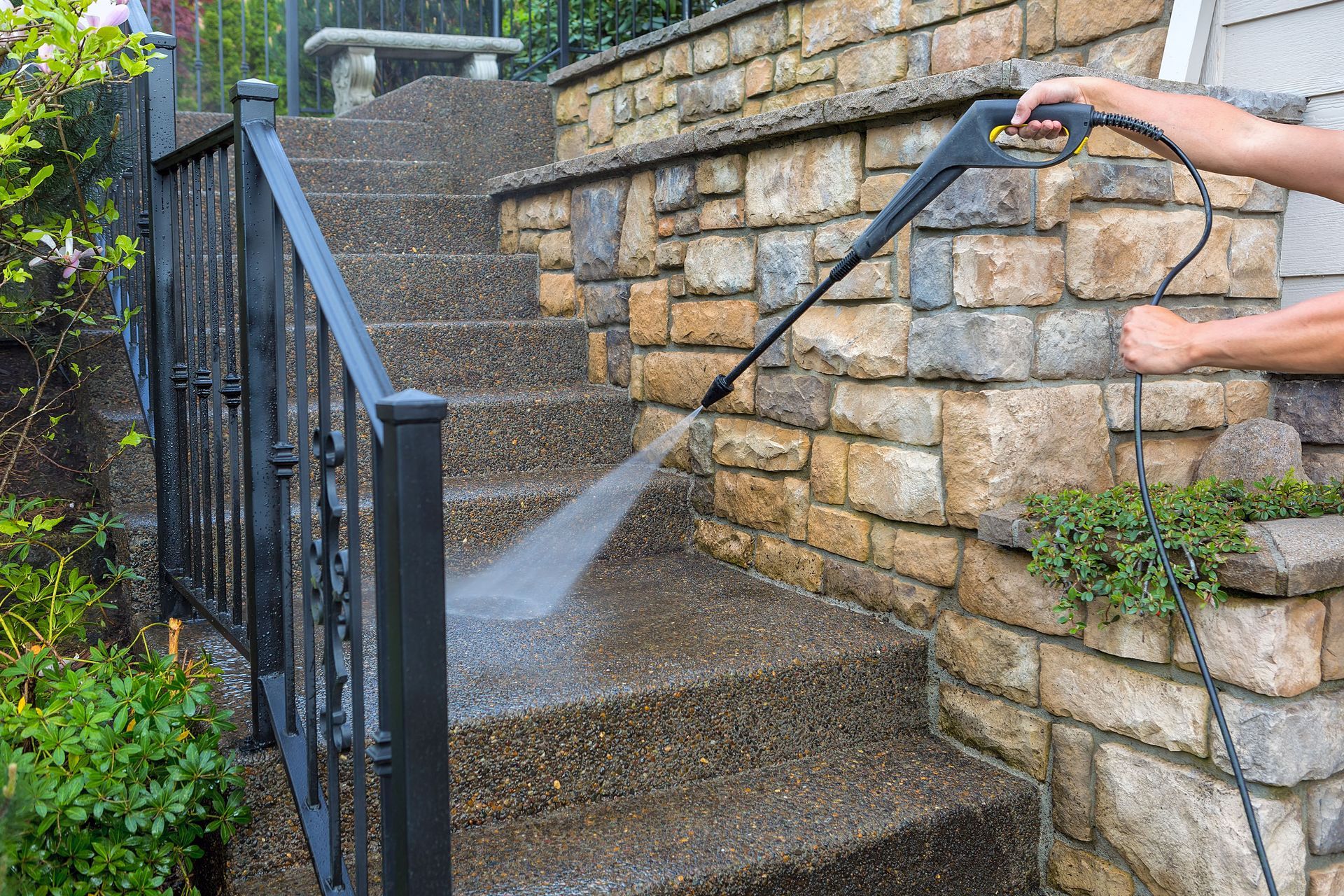
Weather resistance is a pivotal consideration when selecting materials for your railings, especially if they will be installed outdoors. Iron's susceptibility to rust in humid or rainy climates necessitates protective measures, such as galvanized coatings or specialized paints that prevent moisture infiltration. The choice of material must align with the local climate to ensure that your railings remain resilient and retain their structural integrity over time.
6. Balance the Cost and Quality
The relationship between cost and quality is a central consideration when selecting materials for custom iron railings. Optimizing this balance is crucial to achieving long-term value for your investment, requiring careful evaluation of the trade-offs between immediate expenses and future benefits. While it might be tempting to choose the least expensive options to reduce upfront costs, this could lead to compromising on durability and aesthetics, resulting in higher maintenance and replacement costs over time.
It is crucial to understand that the perceived cost of materials encompasses not only the purchase price but also installation, maintenance, and potential future restoration expenses. Opting for higher-quality materials or finishes upfront can prove cost-effective in the long run, as they may reduce the need for repairs and prolong the lifespan of the railing. Conducting a cost-benefit analysis of different material options allows for a more informed decision that considers both immediate and lifetime costs. This strategic approach ensures that your custom iron railings represent not only aesthetic enhancements but also smart fiscal investments.
Besides basic tools, specialized equipment might be needed depending on the complexity of your railing designs and materials chosen. Angle grinders, metal cutters, and welding machines could be necessary for custom fabrications, such as cutting and shaping iron railings or performing detailed adjustments. These tools might require specific operational knowledge or skills, making it beneficial to consult manuals or seek guidance from professionals. Additionally, for safety and precision, it's important to use the right equipment for each task. If you’re working with intricate designs or delicate materials, investing in high-quality tools is a must in order to achieve the desired results. Whether you're renovating or building from scratch, custom railings can add a unique touch to any property. Are you in need of custom railings? Call us at Cacciola Iron Works today to learn more information.
Share On: