
The Pros and Cons of Ornamental Fencing
Ornamental fencing is a common choice for property owners who want a balance between visual appeal and functional boundary definition. It is widely used in residential and commercial settings because it offers both decorative value and practical security benefits. Many modern installations incorporate ornamental metals, which are valued for their strength, versatility, and refined appearance across different architectural styles.
Despite its advantages, ornamental fencing is not a universal solution. It requires careful consideration of cost, maintenance, durability, and environmental impact before installation. Ornamental metals can elevate a property’s appearance, but they also introduce financial and upkeep commitments that should be understood upfront. This article breaks down the key pros and cons in a structured and practical way.
Enhancing Aesthetic Appeal Through Designing
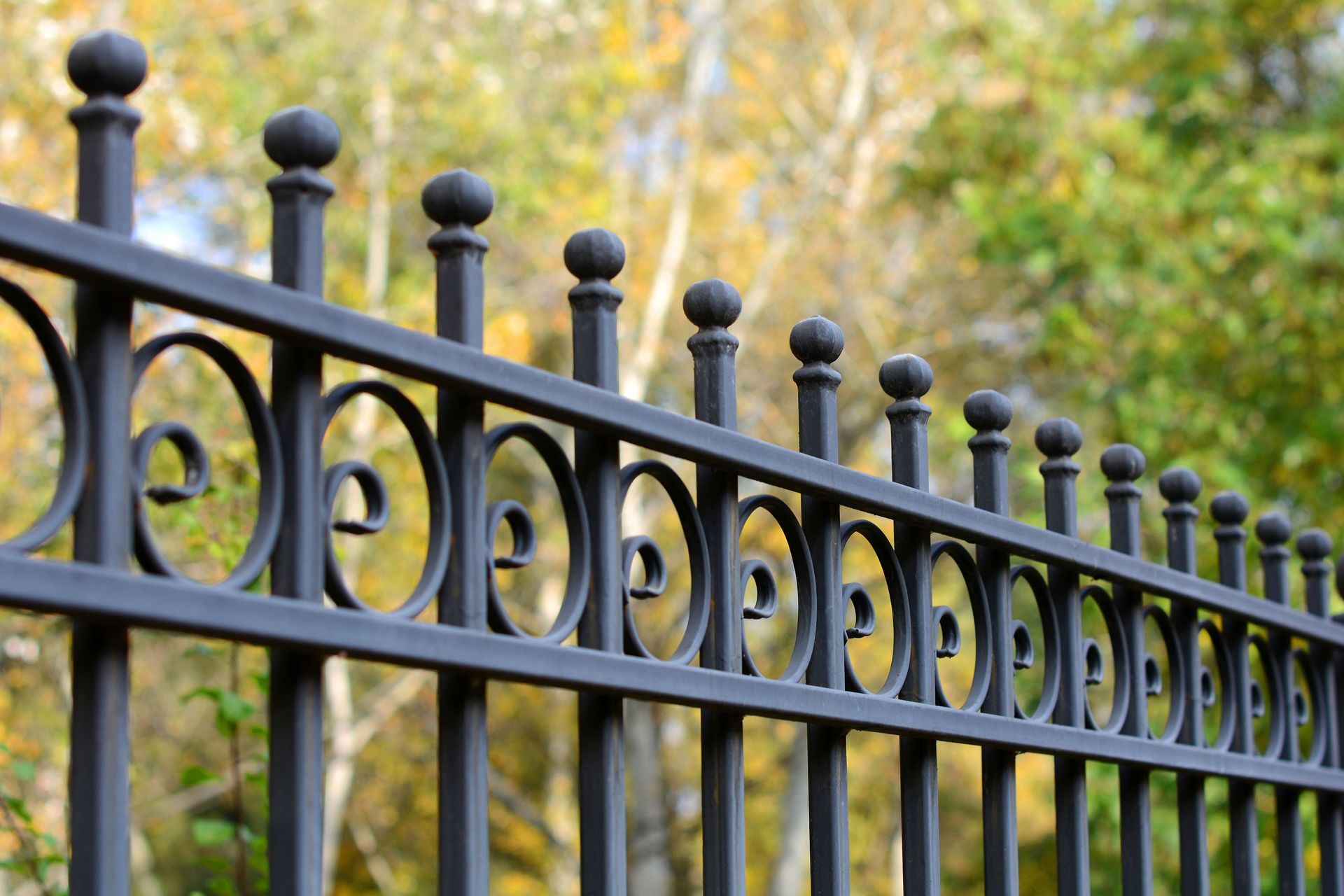
One of the strongest advantages of fencing is its visual impact. It offers a wide range of design options, from simple modern lines to detailed decorative patterns that suit traditional architecture. This flexibility allows property owners to create a cohesive exterior look that enhances overall curb appeal.
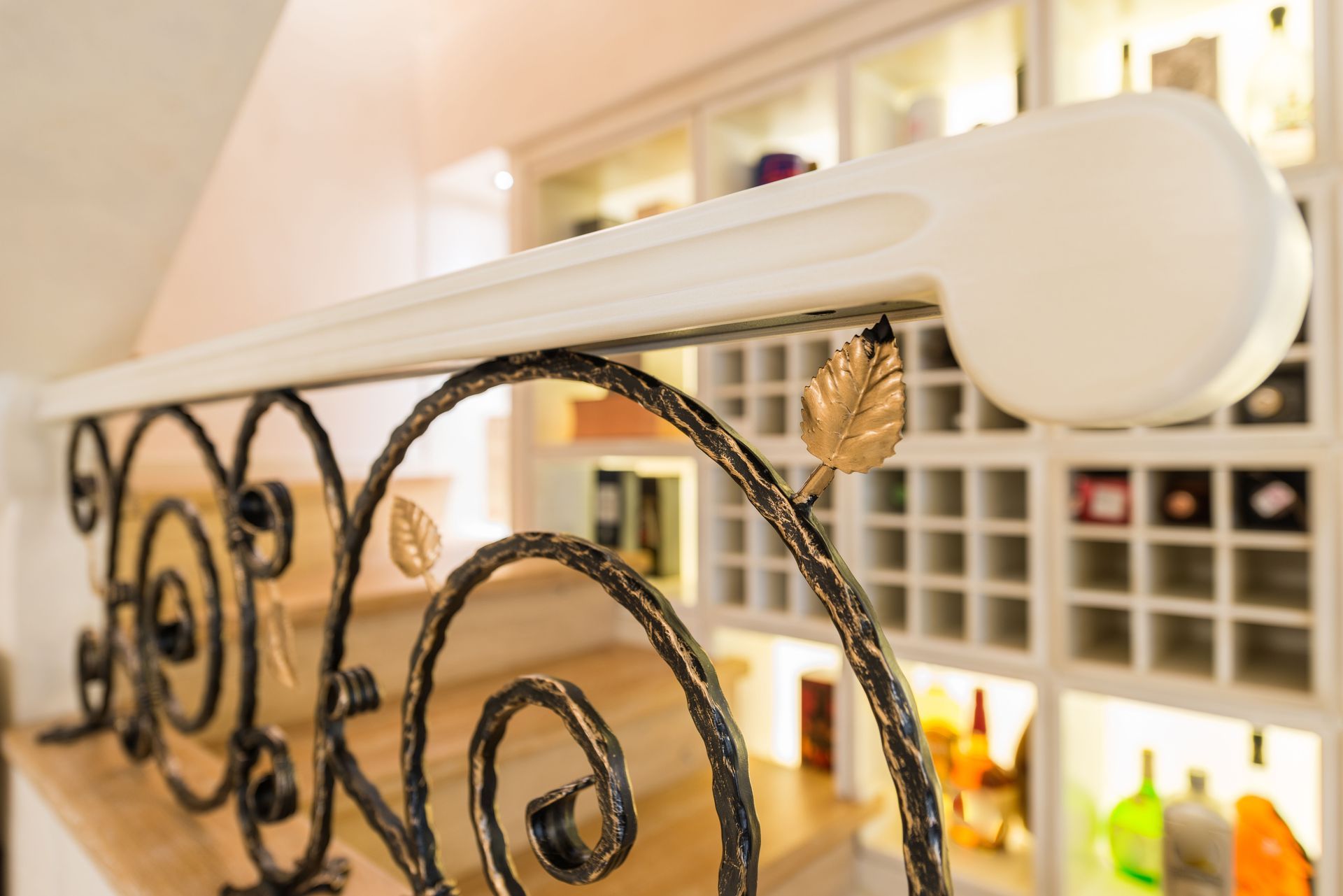
Ornamental metals are central to this appeal because they can be shaped into detailed designs without compromising strength. They also support various finishes, allowing for customization that matches surrounding structures. This makes them a strong option for homeowners who want both durability and visual refinement.
When integrated into landscaping, fencing can frame outdoor spaces effectively. It highlights gardens, pathways, and architectural features without blocking visibility. Ornamental metals are especially effective here because they maintain openness while still defining boundaries clearly.
Strengthening Security Through Protecting
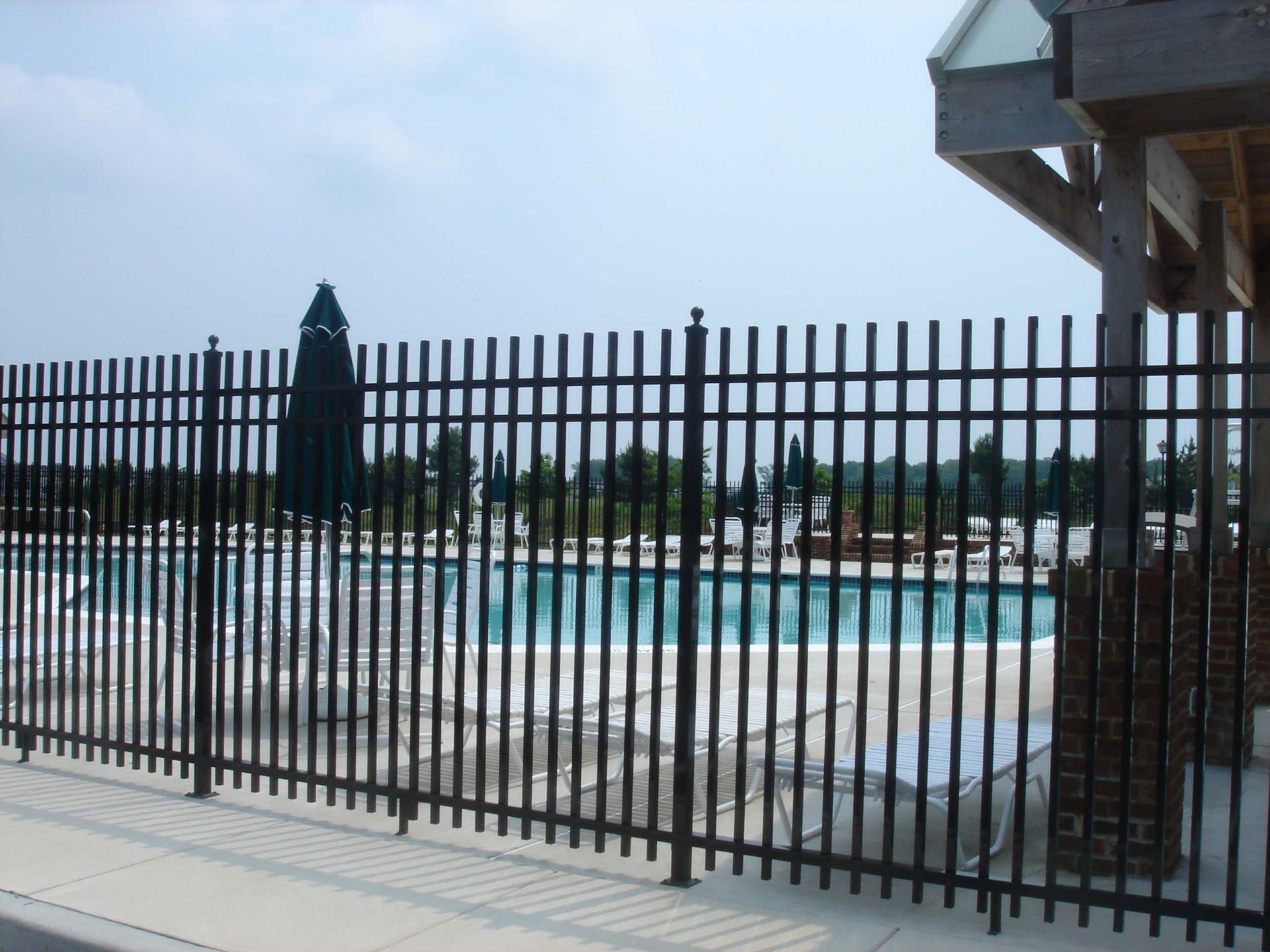
Security is another major benefit of ornamental fencing. While it is visually decorative, it also creates a strong physical boundary that discourages unauthorized access. A well-designed fence communicates structure and control, which can deter unwanted activity before it occurs.
Ornamental metals contribute significantly to this function due to their durability and resistance to force. Unlike lighter materials, they provide a stable barrier that is difficult to damage or bypass. At the same time, they maintain visibility, which helps eliminate hidden areas around a property.
Height options also improve security performance. Fences can be designed taller where needed without sacrificing visual consistency. Ornamental metals support these variations while maintaining structural integrity and design balance.
Additional features such as reinforced tops or integrated monitoring systems can also be included. These enhancements work alongside the physical structure to create a more complete security approach without compromising appearance.
Evaluating Cost Considerations in Investing
Cost is often the deciding factor when choosing ornamental fencing. The initial investment is typically higher than standard fencing due to design complexity and material quality. Ornamental metals contribute to this cost because of their fabrication requirements and finishing processes.
According to Home Guide, fences with detailed decorative elements can increase project costs by roughly 10% to 20% or more depending on customization and materials used. This reflects the additional labor and precision required to produce intricate designs. Ornamental metals are often a major driver of this increase due to their manufacturing demands.
Installation costs also add to the overall budget. Professional installation is usually necessary to ensure structural accuracy and compliance with local standards. While this increases upfront expenses, it reduces long-term repair risks caused by improper setup.
Despite the higher initial cost, fencing can increase property value. Buyers often associate it with quality construction and enhanced curb appeal. Ornamental metals reinforce this perception by signaling durability and long-term investment value.
Extending Durability and Lifespan Through Weathering
Durability is one of the key strengths of fencing. When properly manufactured and installed, it is designed to withstand long-term exposure to environmental conditions. Ornamental metals are especially valued for their resistance to structural degradation over time.
Weather resistance plays a major role in performance. Rain, wind, and temperature changes can affect many materials, but treated metals maintain stability for extended periods. Protective coatings further improve resistance to corrosion and surface damage.
Ornamental metals also offer a strong balance between weight and strength. This allows for durable construction without unnecessary bulk, reducing stress on structural supports. As a result, the fence remains stable even in challenging conditions.
Compared to wood or vinyl, maintenance and replacement needs are generally lower. This contributes to long-term cost efficiency, even if the initial investment is higher.
Managing Maintenance Requirements Through Preserving
Maintenance is an ongoing consideration with ornamental fencing. While it is durable, it still requires routine care to maintain both appearance and performance. Regular upkeep ensures that small issues do not develop into larger structural problems.
Cleaning is one of the most basic requirements. Dirt, dust, and environmental buildup can affect finishes over time. Ornamental metals respond well to periodic cleaning, especially when protective coatings are properly maintained.
Rust prevention is also important. Even treated metals can develop minor surface corrosion if exposed to harsh conditions over time. Addressing early signs quickly helps preserve structural integrity and visual quality.
Repairs should not be delayed when damage occurs. Small chips or dents can worsen if ignored. Regular inspections help identify issues early, reducing long-term maintenance costs and preserving overall durability.
Reducing Environmental Impact Through Recycling
Environmental considerations are becoming increasingly important in fencing decisions. Ornamental fencing can support sustainability goals depending on material sourcing and end-of-life handling. Ornamental metals are particularly relevant because they are often recyclable.
Material sourcing influences environmental impact significantly. Locally sourced materials help reduce transportation emissions and support more efficient production cycles. This contributes to a lower overall environmental footprint.
Manufacturing methods also matter. Some production processes are designed to reduce waste and energy consumption, improving sustainability outcomes. Choosing responsibly produced materials supports environmentally conscious construction practices.
End-of-life recyclability is another advantage. Ornamental metals can often be reused or recycled without losing core properties. This reduces landfill waste and supports more circular material usage.
Weighing Pros and Cons in Deciding
Choosing fencing requires balancing multiple factors rather than focusing on a single benefit. Aesthetic appeal, security performance, cost, maintenance, and environmental impact all need to be considered together. Ornamental metals often influence each of these categories.
On the positive side, they offer long-term durability, strong visual appeal, and design flexibility. These qualities make them suitable for a wide range of residential and commercial applications. However, they also come with higher upfront costs and ongoing maintenance requirements.
The best outcomes come from aligning fencing decisions with long-term property goals. Ornamental metals perform best when properly installed and maintained. They provide a strong balance between appearance and function when used in the right context.
Ornamental fencing remains a strong option for those seeking both design value and functional performance. Ornamental metals enhance durability, appearance, and structural strength while offering a refined look that works across many property styles. They can improve curb appeal and long-term value, but they also introduce upfront costs and ongoing maintenance that should be considered before installation. These trade-offs make planning an important part of the decision process rather than an afterthought.
When properly selected and installed, fencing provides a reliable balance between aesthetics and security. Ornamental metals are especially valued for their longevity and resistance to wear, which helps justify the investment over time. However, regular upkeep is still necessary to maintain both performance and appearance. Understanding these factors helps ensure the fence continues to perform well beyond installation. A clear understanding of these trade-offs leads to better long-term decisions and more efficient investment outcomes. For professional craftsmanship and reliable ornamental fencing solutions tailored to your property, contact Cacciola Iron Works.
Share On: