
8 Reasons Misc Metal Work Is Essential in Modern Buildings
Modern buildings depend on a wide range of materials and systems to function safely, efficiently, and beautifully. Among these essential elements, misc metal work often plays an underrated yet critical role. From the stair systems we rely on daily to the architectural accents that define a building's aesthetic value, miscellaneous metal components contribute strength, durability, and versatility. When incorporated into the structure from the beginning of a project, they support both practical needs and design ambitions. According to Market Data Forecast, the North America metal fabrication market was estimated to be a value of $4.85 billion in 2024, highlighting not just the scale of the industry but the substantial demand for the wide array of metal applications integrated into today's commercial and residential developments. Below are key reasons why misc metal work remains indispensable in contemporary construction.
1. Structural Reinforcement and Long-Term Stability
One of the most important reasons misc metal work is essential in modern buildings is its unparalleled contribution to structural reinforcement. Miscellaneous metal elements—such as angles, embeds, connection plates, and stiffeners—tie together critical portions of a building's framework. These components ensure structural systems can withstand both everyday use and unexpected loads, including heavy equipment, high foot traffic, and environmental pressures.
Because misc metal components can be fabricated with precision, they help maintain the building's integrity over decades. Reinforcement items made from steel, aluminum, or other durable metals resist deformation and deterioration, making them reliable elements for long-lasting stability. Today's architects depend on these materials to bridge gaps, support transitions between systems, and secure connections that would otherwise be vulnerable. In this way, misc metal is not just supplemental—it is foundational.
2. Versatile Applications Across Building Types
The versatility of misc metal work is another major reason it remains essential in modern buildings. Whether the project involves a corporate office, university campus, hospital, residential tower, industrial plant, or mixed-use development, miscellaneous metal components are woven into nearly every part of the structure.
Their flexibility allows builders to customize metal elements to the exact scale, shape, and function needed. For example, a school may require safety railings, fencing, and protective window guards, while a manufacturing facility might need catwalks, mezzanines, and equipment platforms. Metal can be fabricated to match the building's design goals and operational needs without sacrificing strength or stability.
Because metal can be bent, cut, welded, and shaped into nearly any configuration, misc metal serves as a universal building solution applicable to virtually every type of construction.
3. Essential Safety Features for Occupants
Safety is at the core of building design, and many of the most critical safety features rely on misc metal fabrication. Guardrails, handrails, ladders, protective barriers, staircases, fire escapes, bollards, and rooftop safety systems are just a few of the elements fabricated from metal to safeguard people within and around the property.
Misc metal work allows these safety structures to hold up under stress, extreme temperatures, and long-term wear. In high-traffic areas such as hospitals, schools, stadiums, and transit facilities, metal allows safety components to remain secure and reliable through years of continuous use.
Additionally, building codes often mandate the use of metal for components that protect occupants during emergencies, including fire-rated stair systems and rescue ladders. Metal's resilience, combined with its adaptability, makes it the ideal choice for critical safety infrastructure.
4. Architectural Detail and Custom Aesthetic Enhancements
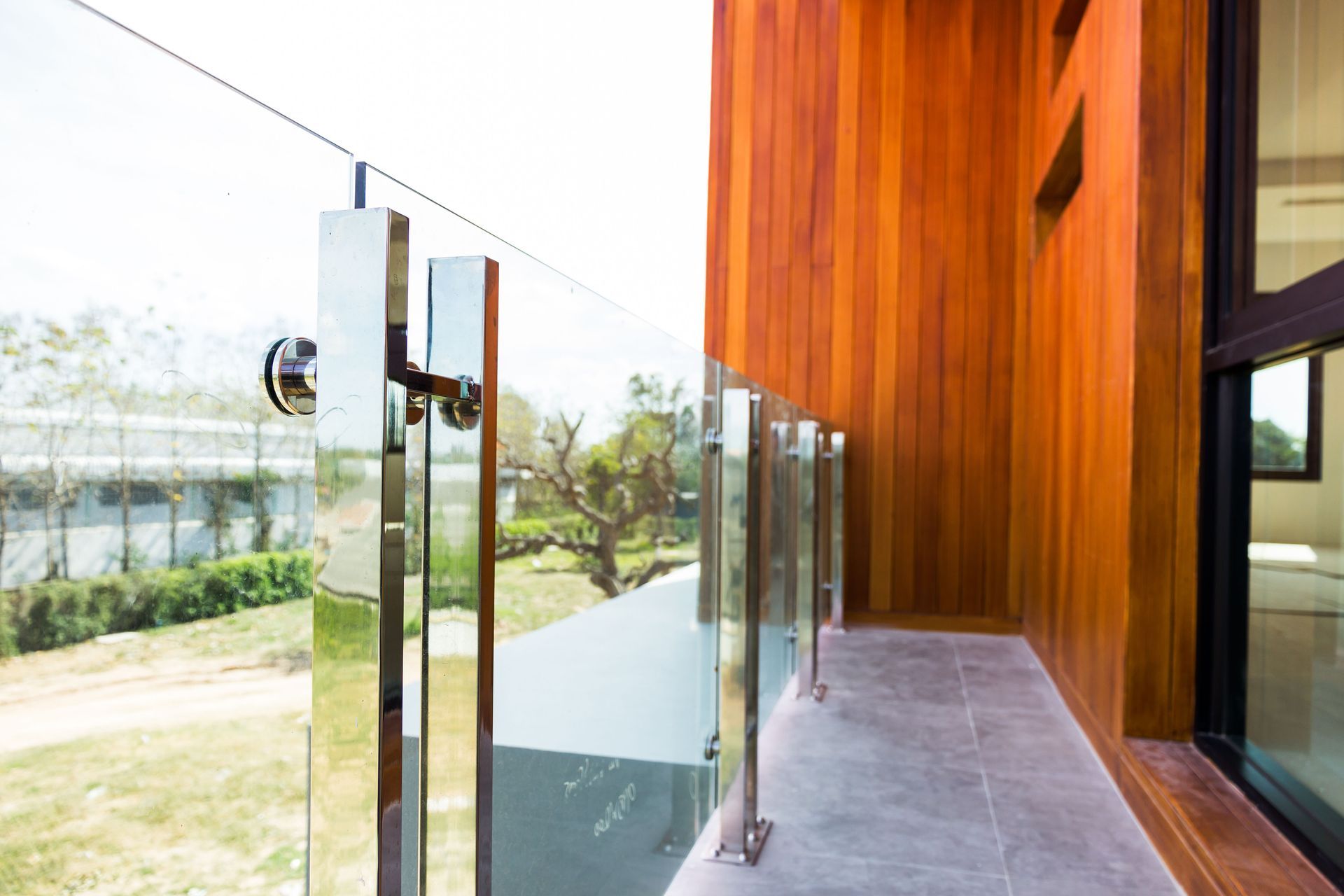
While misc metal is often associated with structural and safety applications, it also plays a tremendous role in elevating a building's aesthetics. Modern architecture frequently incorporates exposed metal design elements that bring a sleek, contemporary look to interior and exterior spaces.
Fabricators create artistic yet functional metal features such as:
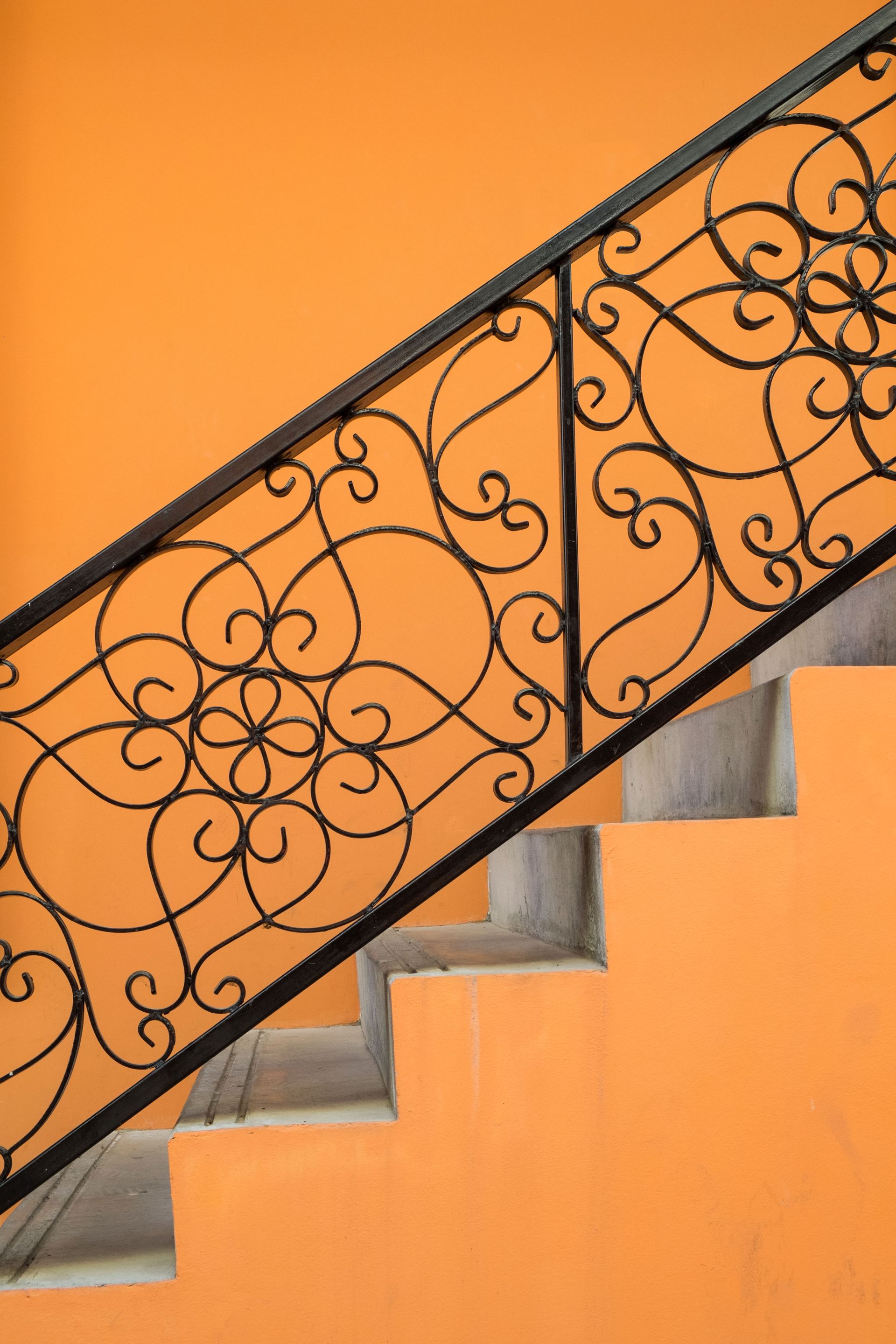
- Decorative railings
- Architectural screens
- Custom staircases
- Metal cladding
- Signage frames
- Accent panels
- Canopies
These elements help define the visual identity of a building, blending form and function in ways other materials cannot replicate. Metal's ability to be polished, brushed, perforated, painted, or powder-coated means that misc metal can adapt to every architectural style—from industrial minimalism to luxurious, high-end finishes. A well-designed building uses metal as both a functional tool and a creative medium.
5. Improved Durability and Resistance to Wear
Durability is one of the key advantages of misc metal work in modern buildings. Metal components stand up to heavy loads, temperature fluctuations, moisture exposure, and everyday wear and tear. This resilience makes metal ideal not only for high-traffic interior spaces but also for exterior applications that must withstand the elements.
When compared to materials like wood or plastic, metal remains one of the most cost-effective long-term choices due to its minimal maintenance needs and long service life. For building owners invested in longevity and reduced repair costs, misc metal is an invaluable resource.
6. Support for Mechanical, Electrical, and Plumbing Systems
Beyond architecture and structure, misc metal components support the mechanical, electrical, and plumbing (MEP) systems that keep buildings functioning. Metal fabrication plays a significant role in providing brackets, frames, supports, access platforms, pipe rails, HVAC stands, enclosure housings, and electrical conduits.
These metal elements ensure MEP systems are securely mounted and properly aligned, reducing the risk of system failures. In addition, metal platforms and catwalks provide technicians with safe access for maintenance and repairs. Because these systems are essential to every building's operation, the reliability of misc metal components directly affects overall performance and efficiency.
7. Enhanced Efficiency in Construction and Installation
Another reason misc metal work is essential in modern construction is its contribution to installation efficiency. Fabricators can produce components precisely to specification, allowing installers to integrate them into the building quickly and accurately. This reduces project delays, minimizes waste, and improves coordination between trades.
Pre-fabricated metal items like stairs, railings, frames, and platforms simplify the work on job sites, where time and space are often limited. With accurate fabrication and clean installation methods, builders can streamline workflows and reduce the chance of errors. These efficiencies ultimately lead to more predictable project timelines and cost savings—key priorities in today's construction industry.
8. Adaptability for Future Renovations and Expansions
Another major advantage of misc metal work is its adaptability for future changes within a building. As commercial and residential spaces evolve, metal components can be modified, reinforced, or expanded without major demolition or disruption. This flexibility becomes essential for facilities planning upgrades, technology integrations, or layout reconfigurations. Whether adding new equipment, updating safety systems, or expanding structural elements, metal fabrication allows changes to be made efficiently and cost-effectively. Its ability to integrate seamlessly with existing systems makes misc metal a long-term investment that continues to serve the building's needs well beyond initial construction.
Misc metal work plays an indispensable role in modern building construction, contributing structural integrity, safety, versatility, efficiency, and aesthetic value. From architectural accents to MEP support systems, from reinforcing elements to long-lasting safety infrastructure, metal fabrication ensures that buildings operate safely and effectively while meeting high design standards. As demand grows—supported by the booming North America metal fabrication market—miscellaneous metal continues to prove its importance in shaping durable, functional, and visually appealing built environments.
At Cacciola Iron Works, we take pride in helping clients achieve stronger, safer, and more beautiful buildings through expert metal craftsmanship. If you're ready to bring long-lasting value to your next project, we invite you to reach out so we can support your vision every step of the way.
Share On: